Buy smartaging.eu ?
We are moving the project
smartaging.eu .
Are you interested in purchasing the domain
smartaging.eu ?
domain@kv-gmbh.de · 0541-91531010
Buy smartaging.eu ?
What does 'du brunzkache du ogsoachte' mean?
The phrase "du brunzkache du ogsoachte" is in the Bavarian dialect of German and translates to "you're crazy, you're delusional" in English. It is used to express disbelief or to dismiss someone's ideas or actions as irrational or nonsensical. **
Is it said "Du backst" or "Du bäckst"?
The correct form is "Du backst." The verb "backen" means "to bake" in German, and when conjugated for the second person singular (du), it takes the form "backst." The umlaut (ä) in "bäckst" is incorrect in this context. **

Similar search terms for Vignoble-du-Reveur-Vignoble
Top-Angebote
Products related to Vignoble-du-Reveur-Vignoble:
-
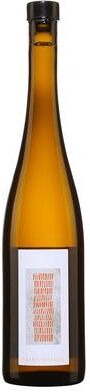
Gewurztraminer 'La Vigne en Rose' Vignoble du Reveur 2023The Gewurztraminer 'La Vigne en Rose' from Vignoble du Reveur is a true expression of Alsatian winemaking tradition, an aromatic and intense white that stands out for its fragrance and structure. This artisanal wine is born from the passion and dedication of Mathieu Deiss, a talented winemaker born in 1984, who inherited his family's love for viticulture and decided to carry on the winemaking legacy of his maternal uncle's small Domaine in Bennwihr. Thanks to his experience and the practice of biodynamic and organic viticulture, Mathieu creates authentic wines that respect the land and traditions. 'La Vigne en Rose' from the Vignoble du Reveur winery comes from Gewurztraminer and Riesling vines grown on quaternary alluvial soils, located in the heart of Alsace. The winemaking process is characterized by a combination of innovative and traditional techniques: 10-20% of the grapes undergo semi-carbonic maceration, while the remaining 80-90% is subjected to direct pressing. After fermentation with indigenous yeasts, the wine ages for 12 months in oak barrels on fine lees, thus acquiring complexity and refinement.oak on fine lees, thus acquiring complexity and refinement. This Gewurztraminer 'La Vigne en Rose' from Vignoble du Reveur presents itself, on the nose, with a floral and fruity bouquet dictated by sublime hints of red fruits and citrus that blend harmoniously. On the palate, it stands out for its aromatic freshness and complex structure. These characteristics that distinguish it make it perfect for pairing with light cheese dishes, while its underlying acidity makes it an ideal companion for foie gras. With its convivial and festive personality, this wine embodies the very essence of summer, bringing joy and cheer to every occasion.28,00 £*Shipping: 48,00 £Secure redirect to the provider
-
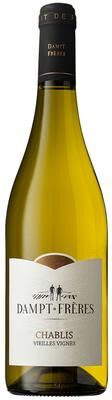
"""Vignoble Dampt Freres""" """Vignoble Dampt Freres Chablis Vieilles Vignes 2021 White Wine - France""""""This wine is sparkling gold. Initially the nose is a little reserved, after aeration one finds saline and floral notes. The mouth is dominated by minerality and saline. Good balance. The aromatic concentration is lengthy and remains fresh. Perfect..."28,99 $*Shipping: 0,00 $Secure redirect to the provider
-
"""Vignoble Dampt Freres""" """Vignoble Dampt Freres Chablis Les Fourneaux Premier Cru 2020 White Wine - France""""""Nice gold highlights. On the nose, notes of minerals, ripe grapes and white fruits. This is a complex and well balance wine. The final is persistent and characterized by a harmonious minerality. Perfect with seafood or grilled fish."""38,97 $*Shipping: 0,00 $Secure redirect to the provider



-
Do you say "Du backst" or "Du bäckst"?
The correct spelling is "Du backst." The verb "backen" is conjugated as "backst" in the second person singular form. The umlaut on the letter "a" is not used in this conjugation. **
-
Does it say "Du backst" or "Du bäckst"?
It says "Du backst." The verb "backen" (to bake) is conjugated as "backst" in the second person singular form in the present tense. The form "Du bäckst" would be incorrect in standard German. **
-
Does it say "Du hältst" or "Du hältst"?
It says "Du hältst." **
-
Why do we say "du hältst" but not "du setzt" instead "du setzt dich"?
In German, the verb "setzen" typically requires a direct object, so when using it in the second person singular form, it is often accompanied by a reflexive pronoun to indicate that the action is being performed on oneself. This is why we say "du setzt dich" instead of just "du setzt." On the other hand, the verb "halten" does not require a direct object, so it can be used on its own without a reflexive pronoun, resulting in "du hältst." This distinction in usage is a characteristic of the German language and its grammar rules. **
What does "Du weißt nicht, was du willst?" mean?
"Du weißt nicht, was du willst?" is a German phrase that translates to "You don't know what you want?" in English. It is often used to express frustration or confusion towards someone who seems indecisive or unsure about their desires or intentions. The phrase can be used in various contexts, such as in relationships, decision-making, or when someone is being wishy-washy about their choices. **
Why is it "du nutzt" and not "du nutzst"?
The verb "nutzen" is an irregular verb in German, and its conjugation in the present tense for the second person singular (du) is "du nutzt" instead of "du nutzst." This irregularity is due to the vowel change in the stem of the verb. In German, some verbs undergo a vowel change in the stem in the present tense conjugation, and "nutzen" is one of those verbs. Therefore, the correct form is "du nutzt" to follow the irregular conjugation pattern of the verb "nutzen." **
Top-Angebote
Products related to Vignoble-du-Reveur-Vignoble:
-
Gewurztraminer 'La Vigne en Rose' Vignoble du Reveur 2023The Gewurztraminer 'La Vigne en Rose' from Vignoble du Reveur is a true expression of Alsatian winemaking tradition, an aromatic and intense white that stands out for its fragrance and structure. This artisanal wine is born from the passion and dedication of Mathieu Deiss, a talented winemaker born in 1984, who inherited his family's love for viticulture and decided to carry on the winemaking legacy of his maternal uncle's small Domaine in Bennwihr. Thanks to his experience and the practice of biodynamic and organic viticulture, Mathieu creates authentic wines that respect the land and traditions. 'La Vigne en Rose' from the Vignoble du Reveur winery comes from Gewurztraminer and Riesling vines grown on quaternary alluvial soils, located in the heart of Alsace. The winemaking process is characterized by a combination of innovative and traditional techniques: 10-20% of the grapes undergo semi-carbonic maceration, while the remaining 80-90% is subjected to direct pressing. After fermentation with indigenous yeasts, the wine ages for 12 months in oak barrels on fine lees, thus acquiring complexity and refinement.oak on fine lees, thus acquiring complexity and refinement. This Gewurztraminer 'La Vigne en Rose' from Vignoble du Reveur presents itself, on the nose, with a floral and fruity bouquet dictated by sublime hints of red fruits and citrus that blend harmoniously. On the palate, it stands out for its aromatic freshness and complex structure. These characteristics that distinguish it make it perfect for pairing with light cheese dishes, while its underlying acidity makes it an ideal companion for foie gras. With its convivial and festive personality, this wine embodies the very essence of summer, bringing joy and cheer to every occasion.28,00 £*Shipping: 48,00 £Secure redirect to the provider
-
"""Vignoble Dampt Freres""" """Vignoble Dampt Freres Chablis Vieilles Vignes 2021 White Wine - France""""""This wine is sparkling gold. Initially the nose is a little reserved, after aeration one finds saline and floral notes. The mouth is dominated by minerality and saline. Good balance. The aromatic concentration is lengthy and remains fresh. Perfect..."28,99 $*Shipping: 0,00 $Secure redirect to the provider
-
What does 'du brunzkache du ogsoachte' mean?
The phrase "du brunzkache du ogsoachte" is in the Bavarian dialect of German and translates to "you're crazy, you're delusional" in English. It is used to express disbelief or to dismiss someone's ideas or actions as irrational or nonsensical. **
-
Is it said "Du backst" or "Du bäckst"?
The correct form is "Du backst." The verb "backen" means "to bake" in German, and when conjugated for the second person singular (du), it takes the form "backst." The umlaut (ä) in "bäckst" is incorrect in this context. **
-
Do you say "Du backst" or "Du bäckst"?
The correct spelling is "Du backst." The verb "backen" is conjugated as "backst" in the second person singular form. The umlaut on the letter "a" is not used in this conjugation. **
-
Does it say "Du backst" or "Du bäckst"?
It says "Du backst." The verb "backen" (to bake) is conjugated as "backst" in the second person singular form in the present tense. The form "Du bäckst" would be incorrect in standard German. **
Similar search terms for Vignoble-du-Reveur-Vignoble
-
"""Vignoble Dampt Freres""" """Vignoble Dampt Freres Chablis Les Fourneaux Premier Cru 2020 White Wine - France""""""Nice gold highlights. On the nose, notes of minerals, ripe grapes and white fruits. This is a complex and well balance wine. The final is persistent and characterized by a harmonious minerality. Perfect with seafood or grilled fish."""38,97 $*Shipping: 0,00 $Secure redirect to the provider
-
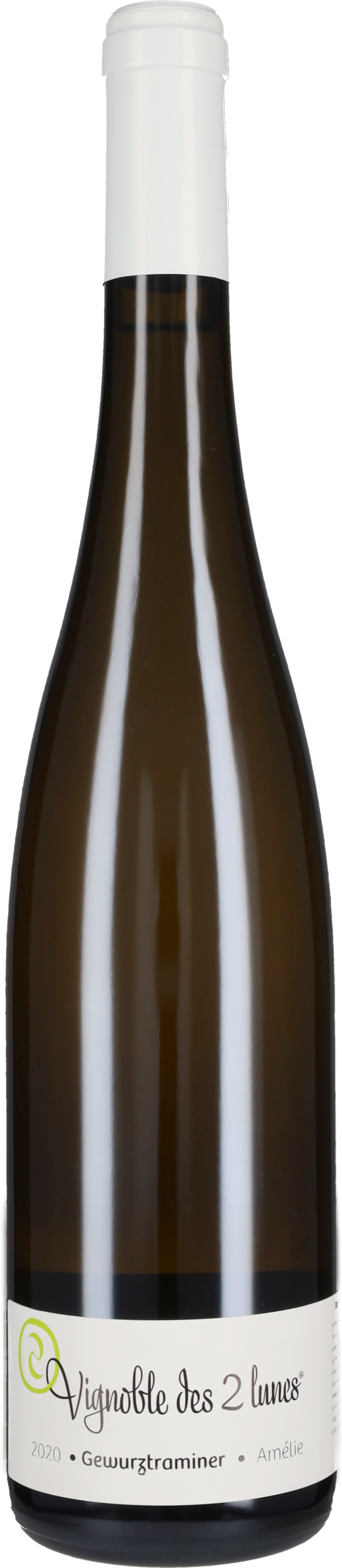
Gewurtztraminer 'Amelie' Vignoble Des 2 Lunes 2020The Gewurztraminer 'Amelie' from Vignoble des 2 Lunes is a sweet white wine from Alsace that releases sweet and aromatic scents typical of the grape variety. The category of sweet wines defines those wines that have a residual sugar content between 30 and 50 g/l, clearly perceptible on the palate but not sufficient to define them as sweet. This type is particularly widespread in Alsace, especially regarding Gewurztraminer, an aromatic grape that naturally tends to accumulate high concentrations of sugars. Regarding this label, the name is linked to Amélie, one of the two sisters of the Buecher family who have been managing the Domaine since 2009. Vignoble des 2 Lunes Gewurztraminer 'Amelie' originates from pure Gewurztraminer grapes grown under certified biodynamic regime since 2007. Once the right level of ripeness is reached, the clusters are harvested and carefully selected, and then softly pressed. The resulting must is then conveyed into stainless steel tanks for spontaneous alcoholic fermentation conducted by only indigenous yeasts. Even the subsequent aging phase for a few months, which takes place on fine lees, occurs in steel, without the use of wood, in order to maximize the expression of the grape variety and the terroir. The Gewurztraminer Vignoble des 2 Lunes 'Amelie' possesses an intense and consistent golden yellow color. From the glass emerge enveloping and rich aromatic scents of lychee, pineapple, ripe apricot, peach, ginger, lily, and rose petals, with hints of honey, nutmeg, and flint complementing them. The taste is warm and round, full and structured, characterized by delicate sweetness and a seductive aromatic vein that gives remarkable expressiveness to the persistent gustatory finish.22,00 £*Shipping: 48,00 £Secure redirect to the provider
-
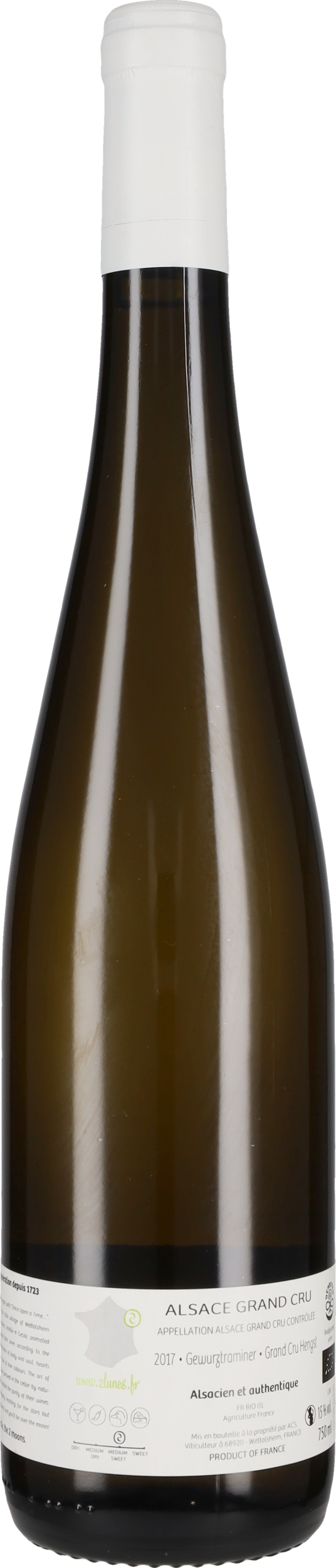
Gewurtztraminer 'Hengst' Vignoble Des 2 Lunes 2017The Gewurztraminer ‘Hengst’ from the biodynamic estate Vignoble des 2 Lunes is a full-bodied and rich expression of the prestigious Alsace vineyard ‘Hengst’ and the Gewurztraminer grape, an aromatic variety with pink berries that reaches its qualitative peak in Alsace. The ‘Hengst’ plot is one of the most renowned and celebrated Grand Cru vineyards in the region, located near the village of Wintzenheim, just a short distance from the charming city of Colmar. Gewurztraminer occupies more than half of the total vineyard area of this Grand Cru, one of the southernmost in Alsace, characterized by a rather dry microclimate that promotes the full ripening of the grapes cultivated here.Vignoble des 2 Lunes ‘Hengst’ Gewurztraminer is an interpretation of the aromatic variety grown under organic and biodynamic practices. Specifically, the vineyard is planted on soils with a high limestone content, situated at an altitude of about 300 meters above sea level. The grapes, rigorously hand-harvested, are vinified as white wine through gentle pressing and subsequent spontaneous alcoholic fermentation of the must in stainless steel tanks. The subsequent aging phase takes place in oak barrels, where the wine rests for several months before final bottling.The Gewurztraminer Vignoble des 2 Lunes ‘Hengst’ is of an intense and consistent golden-yellow color. Aromatic notes of lychee, pineapple, apricot, citrus zest, honey, rose petals, licorice, dried fruit, and herbs emerge decisively and complexly from the glass. On the palate, it is full and structured, soft and rich, with a persistent and balanced finish where the sweet aromatic sensations felt on the nose return.31,00 £*Shipping: 48,00 £Secure redirect to the provider
-
Does it say "Du hältst" or "Du hältst"?
It says "Du hältst." **
-
Why do we say "du hältst" but not "du setzt" instead "du setzt dich"?
In German, the verb "setzen" typically requires a direct object, so when using it in the second person singular form, it is often accompanied by a reflexive pronoun to indicate that the action is being performed on oneself. This is why we say "du setzt dich" instead of just "du setzt." On the other hand, the verb "halten" does not require a direct object, so it can be used on its own without a reflexive pronoun, resulting in "du hältst." This distinction in usage is a characteristic of the German language and its grammar rules. **
-
What does "Du weißt nicht, was du willst?" mean?
"Du weißt nicht, was du willst?" is a German phrase that translates to "You don't know what you want?" in English. It is often used to express frustration or confusion towards someone who seems indecisive or unsure about their desires or intentions. The phrase can be used in various contexts, such as in relationships, decision-making, or when someone is being wishy-washy about their choices. **
-
Why is it "du nutzt" and not "du nutzst"?
The verb "nutzen" is an irregular verb in German, and its conjugation in the present tense for the second person singular (du) is "du nutzt" instead of "du nutzst." This irregularity is due to the vowel change in the stem of the verb. In German, some verbs undergo a vowel change in the stem in the present tense conjugation, and "nutzen" is one of those verbs. Therefore, the correct form is "du nutzt" to follow the irregular conjugation pattern of the verb "nutzen." **
* All prices are inclusive of VAT and, if applicable, plus shipping costs. The offer information is based on the details provided by the respective shop and is updated through automated processes. Real-time updates do not occur, so deviations can occur in individual cases. ** Note: Parts of this content were created by AI.