Buy smartaging.eu ?
We are moving the project
smartaging.eu .
Are you interested in purchasing the domain
smartaging.eu ?
domain@kv-gmbh.de · 0541-91531010
Buy smartaging.eu ?
What is a utilitarian action?
A utilitarian action is one that aims to maximize overall happiness or well-being for the greatest number of people. In utilitarianism, the morality of an action is determined by its consequences, with the most ethical action being the one that results in the greatest overall benefit. This ethical theory focuses on the outcomes of actions rather than the intentions behind them. Utilitarian actions prioritize the greatest good for the greatest number of individuals, often requiring individuals to make decisions that may not benefit themselves personally but benefit society as a whole. **
Is it utilitarian or selfish?
It depends on the specific situation and context. Utilitarianism is a moral theory that focuses on maximizing overall happiness or well-being for the greatest number of people. If an action benefits the majority of individuals and promotes the greatest good, it can be considered utilitarian. On the other hand, if an action primarily serves one's own interests without regard for others, it may be seen as selfish. Ultimately, the distinction between utilitarian and selfish behavior is determined by the impact on others and the underlying intentions of the individual. **

Similar search terms for Utilitarian
Top-Angebote
Products related to Utilitarian:
-
Penguin Life Eat Yourself Healthy by Dr Megan Rossi - Gut Health & Nutrition Guide - Paperback - IBS, Bloating & Digestive Wellness RecipesDiscover the simple guide to a healthier you with Eat Yourself Healthy by Dr Megan Rossi. This accessible book explains how the trillions of microbes in your digestive system influence your energy levels, skin, mood, and immunity. Whether you're battling bloating, IBS, or just want to feel better from the inside out, Dr Rossi's practical advice and delicious gut-boosting recipes will help you take control of your gut health. Drawing on her decade of clinical experience and the latest scientific research, Dr Rossi demystifies the gut microbiome and shows you how to nurture it for long-term wellbeing. This book covers common digestive complaints such as IBS, bloating, and food intolerance, providing you with the knowledge and tools to make informed choices about your diet and lifestyle. Written by Dr Megan Rossi, a leading expert in gut health, Eat Yourself Healthy is a must-read for anyone looking to improve their overall health and wellbeing.14,99 £*Shipping: 2,99 £Secure redirect to the provider
-
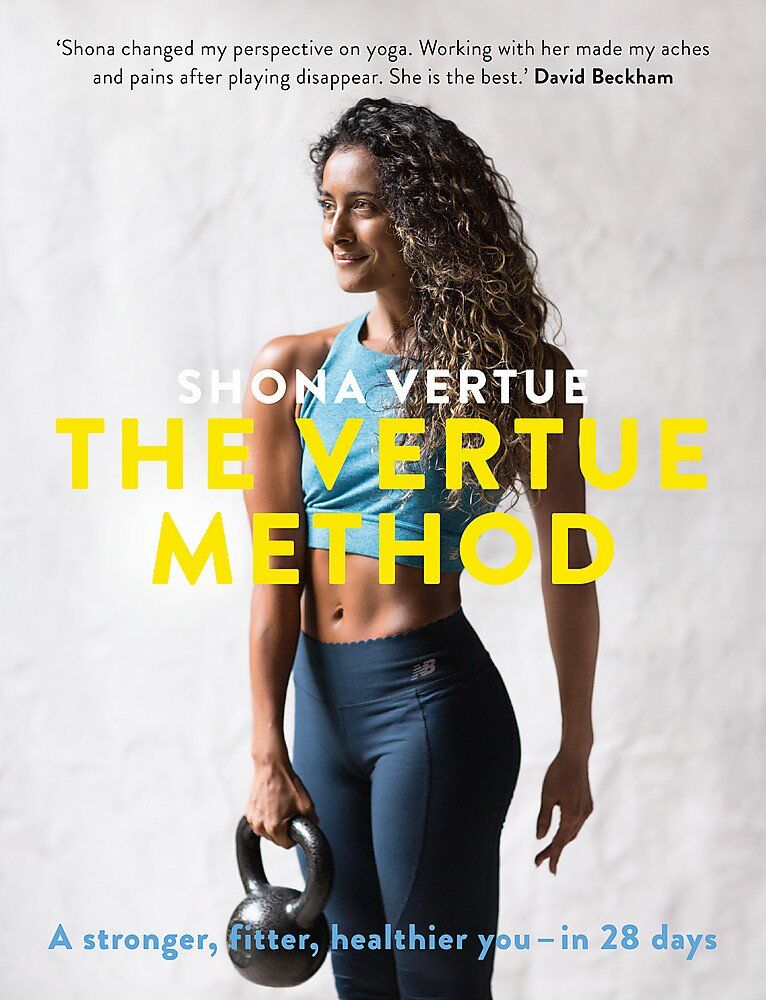
Yellow Kite The Vertue Method by Shona Vertue - Paperback - 28-Day Fitness, Yoga & Nutrition Plan - Health & Fitness BookGet fit and feel great with The Vertue Method, a 28-day plan from celebrity personal trainer and yoga teacher Shona Vertue. This practical system combines resistance training, yoga, and mindful eating to help you build strength, flexibility, and calm in body and mind. The book is designed for anyone who has tried fitness fads without lasting results, offering a realistic and sustainable route to a healthier you. Shona Vertue's expertise is distilled into a clear, structured 28-day plan that can be followed at home or in the gym. The book's signature 'three-in-one' approach combines weighted resistance training to build lean muscle and boost metabolism, yoga sequences to improve flexibility and lengthen tight muscles, and mindful eating to promote a balanced diet. With The Vertue Method, you can achieve a stronger, fitter, and healthier you in just 28 days.13,99 £*Shipping: 2,99 £Secure redirect to the provider
-
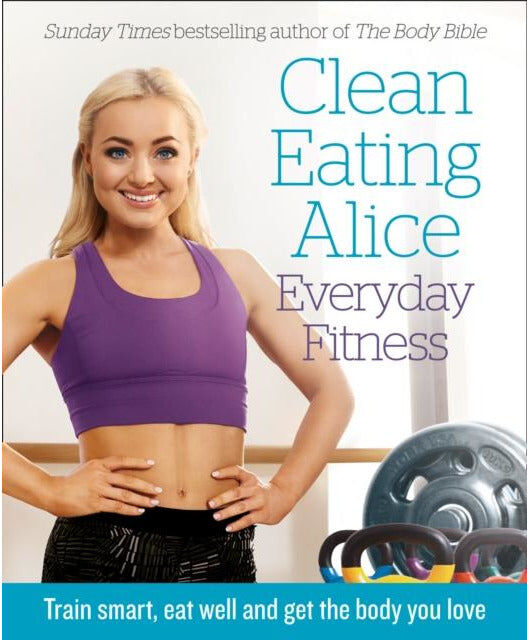
HARPERCOLLINS Clean Eating Alice: Everyday Fitness – Healthy Recipes & Practical Workout Guide for Everyday Wellness by Alice Liveing – Workout & Nutrition GuideTransform your approach to health and fitness with Clean Eating Alice Everyday Fitness: Train Smart, Eat Well and Get the Body You Love by Alice Liveing. This practical, motivating guide combines smart training principles with balanced nutrition to help readers build strength, confidence, and sustainable healthy habits. Alice Liveing shares structured workout plans, approachable meal ideas, and realistic lifestyle advice designed to fit everyday routines — no extremes or quick fixes required. Focused on long-term wellbeing rather than short-term dieting, the book empowers readers to develop a positive relationship with food and exercise while working toward personal fitness goals. Whether you’re new to training or refining your routine, this guide offers clear, supportive direction for lasting results. Why Readers Love This Book: Structured fitness training plans for real-life schedules Balanced nutrition guidance — no fad dieting Encourages sustainable, long-term habits Motivational, beginner-friendly tone Ideal for home or gym-based workouts A smart, accessible roadmap to healthier living, Clean Eating Alice Everyday Fitness helps readers feel strong, energized, and confident.2,80 £*Shipping: 1,99 £Secure redirect to the provider
-
Inspire Select 2025 Health Smart Watch AMOLED Bluetooth Call Fitness Tracker With ECG & Wellness Monitoring pinkStay connected while monitoring your daily wellness with this advanced health smart watch designed for fitness, lifestyle tracking, and smart convenience. Featuring a stunning AMOLED smartwatch display, Bluetooth calling, ECG monitoring, and...299,96 $*Shipping: 0,00 $Secure redirect to the provider


-
What is the correct utilitarian solution?
The correct utilitarian solution is to maximize overall happiness and minimize overall suffering for the greatest number of people. This means making decisions that result in the greatest net benefit for the majority of individuals, even if it may not benefit everyone equally. Utilitarianism focuses on the consequences of actions and seeks to promote the greatest good for the greatest number, taking into account the well-being of all individuals affected by the decision. It also emphasizes the importance of considering long-term effects and the potential impact on future generations. **
-
What is the utilitarian ethics of Bentham and Mill?
Utilitarian ethics, as proposed by Jeremy Bentham and John Stuart Mill, is a consequentialist theory that focuses on maximizing overall happiness or pleasure and minimizing pain or suffering. According to Bentham, actions should be judged based on their ability to produce the greatest amount of pleasure for the greatest number of people, known as the principle of utility. Mill expanded on this by introducing the concept of higher and lower pleasures, arguing that intellectual and moral pleasures are more valuable than physical pleasures. Both Bentham and Mill believed that the ultimate goal of ethics should be to promote the greatest happiness for the greatest number of individuals. **
-
What are the differences between deontological ethics and utilitarian ethics?
Deontological ethics, also known as duty-based ethics, focuses on the inherent rightness or wrongness of actions themselves, regardless of their consequences. It emphasizes following moral rules and duties, such as telling the truth or keeping promises, based on principles like the categorical imperative. On the other hand, utilitarian ethics, also known as consequentialist ethics, prioritizes the outcomes or consequences of actions. It aims to maximize overall happiness or well-being for the greatest number of people, often through the calculation of benefits and harms. While deontological ethics emphasizes duty and rules, utilitarian ethics prioritizes the greatest good for the greatest number. **
-
What is the difference between deontological ethics and utilitarian ethics?
Deontological ethics, also known as duty-based ethics, focuses on the inherent rightness or wrongness of actions themselves, regardless of their consequences. This means that certain actions are considered morally right or wrong based on whether they adhere to a set of rules or principles. On the other hand, utilitarian ethics, also known as consequentialist ethics, evaluates the morality of actions based on their outcomes or consequences. In utilitarianism, the rightness or wrongness of an action is determined by its ability to produce the greatest overall happiness or pleasure for the greatest number of people. **


How can one justify euthanasia from a utilitarian and deontological perspective?
From a utilitarian perspective, euthanasia can be justified if it results in the greatest overall happiness and minimizes suffering for the individual and their loved ones. If the person is in unbearable pain and their quality of life is extremely poor, euthanasia may be seen as the most compassionate choice to end their suffering. From a deontological perspective, euthanasia can be justified if it respects the individual's autonomy and right to make decisions about their own life and death. If the person has made a well-informed and voluntary decision to end their life, then it can be seen as morally permissible to honor their wishes. However, deontological ethics also emphasize the importance of respecting the sanctity of life, so the decision to pursue euthanasia should be carefully considered in light of these conflicting principles. **
How can euthanasia be justified from a utilitarian and deontological perspective?
From a utilitarian perspective, euthanasia can be justified if it results in the greatest overall happiness and minimizes suffering. If a terminally ill patient is in extreme pain and has no hope of recovery, euthanasia could be seen as a compassionate act that ends their suffering. From a deontological perspective, euthanasia can be justified if it upholds the principle of respecting an individual's autonomy and right to make decisions about their own life. If a person has made a rational and informed decision to end their life, then respecting their autonomy could be seen as a moral duty. However, deontological ethics also emphasize the importance of not treating individuals as mere means to an end, so careful consideration must be given to ensure that euthanasia is not being used for ulterior motives. **
Top-Angebote
Products related to Utilitarian:
-
Convenient Shelf,Utilitarian Corner Shelf,Wall Corner BookshelfConvenient Shelf,Utilitarian Corner Shelf,Wall Corner Bookshelf A Perfect Fit - Check out our newest star - a slick and vintage-themed 5-tiered rack. You'll find it to be an ideal fit for any nook and cranny in your house or workspace.206,99 $*Shipping: 0,00 $Secure redirect to the provider
-
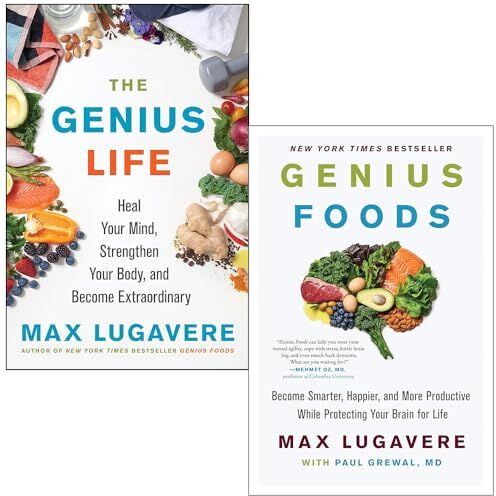
Harper ltd Max Lugavere 2 Book Set – Genius Foods & The Genius Life Brain Health, Nutrition & Wellness CollectionMax Lugavere 2-Book Collection Set (The Genius Life & Genius Foods – Nutrition, Health, Wellness, Diet, Brain & Body Health, Self-Help & Fitness) The Genius Life: Heal Your Mind, Strengthen Your Body, and Become Extraordinary: Supporting the work of Battersea Dogs and Cats Home.Enjoy a heartwarming dog to brighten every single day of the year. From Pickles, the dog who single-handedly saved the 1966 world cup, to Pal, who found silver screen fame as the original Lassie, Battersea's A Dog a Day contains 365 fascinating stories of dogs to enjoy throughout the year.Beautifully packaged and illustrated throughout with charming illustrations of cheeky puppies and hounds, this is the perfect book for any lover of our four-legged friends. Genius Foods: Become Smarter, Happier, and More Productive While Protecting Your Brain for Life: After his mother was diagnosed with a mysterious form of dementia, Max Lugavere put his successful media career on hold to learn everything he could about brain health and performance. For the better half of a decade, he consumed the most up-to-date scientific research, talked to dozens of leading scientists and clinicians around the world, and visited the country’s best neurology departments—all in the hopes of understanding his mother’s condition.Now, in Genius Foods, Lugavere presents a comprehensive guide to brain optimization. He uncovers the stunning link between our dietary and lifestyle choices and our brain functions, revealing how the foods you eat directly affect your ability to focus, learn, remember, create, analyze new ideas, and maintain a balanced mood.12,95 £*Shipping: 2,99 £Secure redirect to the provider
-
Penguin Life Eat Yourself Healthy by Dr Megan Rossi - Gut Health & Nutrition Guide - Paperback - IBS, Bloating & Digestive Wellness RecipesDiscover the simple guide to a healthier you with Eat Yourself Healthy by Dr Megan Rossi. This accessible book explains how the trillions of microbes in your digestive system influence your energy levels, skin, mood, and immunity. Whether you're battling bloating, IBS, or just want to feel better from the inside out, Dr Rossi's practical advice and delicious gut-boosting recipes will help you take control of your gut health. Drawing on her decade of clinical experience and the latest scientific research, Dr Rossi demystifies the gut microbiome and shows you how to nurture it for long-term wellbeing. This book covers common digestive complaints such as IBS, bloating, and food intolerance, providing you with the knowledge and tools to make informed choices about your diet and lifestyle. Written by Dr Megan Rossi, a leading expert in gut health, Eat Yourself Healthy is a must-read for anyone looking to improve their overall health and wellbeing.14,99 £*Shipping: 2,99 £Secure redirect to the provider
-
Yellow Kite The Vertue Method by Shona Vertue - Paperback - 28-Day Fitness, Yoga & Nutrition Plan - Health & Fitness BookGet fit and feel great with The Vertue Method, a 28-day plan from celebrity personal trainer and yoga teacher Shona Vertue. This practical system combines resistance training, yoga, and mindful eating to help you build strength, flexibility, and calm in body and mind. The book is designed for anyone who has tried fitness fads without lasting results, offering a realistic and sustainable route to a healthier you. Shona Vertue's expertise is distilled into a clear, structured 28-day plan that can be followed at home or in the gym. The book's signature 'three-in-one' approach combines weighted resistance training to build lean muscle and boost metabolism, yoga sequences to improve flexibility and lengthen tight muscles, and mindful eating to promote a balanced diet. With The Vertue Method, you can achieve a stronger, fitter, and healthier you in just 28 days.13,99 £*Shipping: 2,99 £Secure redirect to the provider
-
What is a utilitarian action?
A utilitarian action is one that aims to maximize overall happiness or well-being for the greatest number of people. In utilitarianism, the morality of an action is determined by its consequences, with the most ethical action being the one that results in the greatest overall benefit. This ethical theory focuses on the outcomes of actions rather than the intentions behind them. Utilitarian actions prioritize the greatest good for the greatest number of individuals, often requiring individuals to make decisions that may not benefit themselves personally but benefit society as a whole. **
-
Is it utilitarian or selfish?
It depends on the specific situation and context. Utilitarianism is a moral theory that focuses on maximizing overall happiness or well-being for the greatest number of people. If an action benefits the majority of individuals and promotes the greatest good, it can be considered utilitarian. On the other hand, if an action primarily serves one's own interests without regard for others, it may be seen as selfish. Ultimately, the distinction between utilitarian and selfish behavior is determined by the impact on others and the underlying intentions of the individual. **
-
What is the correct utilitarian solution?
The correct utilitarian solution is to maximize overall happiness and minimize overall suffering for the greatest number of people. This means making decisions that result in the greatest net benefit for the majority of individuals, even if it may not benefit everyone equally. Utilitarianism focuses on the consequences of actions and seeks to promote the greatest good for the greatest number, taking into account the well-being of all individuals affected by the decision. It also emphasizes the importance of considering long-term effects and the potential impact on future generations. **
-
What is the utilitarian ethics of Bentham and Mill?
Utilitarian ethics, as proposed by Jeremy Bentham and John Stuart Mill, is a consequentialist theory that focuses on maximizing overall happiness or pleasure and minimizing pain or suffering. According to Bentham, actions should be judged based on their ability to produce the greatest amount of pleasure for the greatest number of people, known as the principle of utility. Mill expanded on this by introducing the concept of higher and lower pleasures, arguing that intellectual and moral pleasures are more valuable than physical pleasures. Both Bentham and Mill believed that the ultimate goal of ethics should be to promote the greatest happiness for the greatest number of individuals. **
Similar search terms for Utilitarian
-
HARPERCOLLINS Clean Eating Alice: Everyday Fitness – Healthy Recipes & Practical Workout Guide for Everyday Wellness by Alice Liveing – Workout & Nutrition GuideTransform your approach to health and fitness with Clean Eating Alice Everyday Fitness: Train Smart, Eat Well and Get the Body You Love by Alice Liveing. This practical, motivating guide combines smart training principles with balanced nutrition to help readers build strength, confidence, and sustainable healthy habits. Alice Liveing shares structured workout plans, approachable meal ideas, and realistic lifestyle advice designed to fit everyday routines — no extremes or quick fixes required. Focused on long-term wellbeing rather than short-term dieting, the book empowers readers to develop a positive relationship with food and exercise while working toward personal fitness goals. Whether you’re new to training or refining your routine, this guide offers clear, supportive direction for lasting results. Why Readers Love This Book: Structured fitness training plans for real-life schedules Balanced nutrition guidance — no fad dieting Encourages sustainable, long-term habits Motivational, beginner-friendly tone Ideal for home or gym-based workouts A smart, accessible roadmap to healthier living, Clean Eating Alice Everyday Fitness helps readers feel strong, energized, and confident.2,80 £*Shipping: 1,99 £Secure redirect to the provider
-
Inspire Select 2025 Health Smart Watch AMOLED Bluetooth Call Fitness Tracker With ECG & Wellness Monitoring pinkStay connected while monitoring your daily wellness with this advanced health smart watch designed for fitness, lifestyle tracking, and smart convenience. Featuring a stunning AMOLED smartwatch display, Bluetooth calling, ECG monitoring, and...299,96 $*Shipping: 0,00 $Secure redirect to the provider
-
Inspire Select 2025 Health Smart Watch AMOLED Bluetooth Call Fitness Tracker With ECG & Wellness Monitoring blackStay connected while monitoring your daily wellness with this advanced health smart watch designed for fitness, lifestyle tracking, and smart convenience. Featuring a stunning AMOLED smartwatch display, Bluetooth calling, ECG monitoring, and...288,98 $*Shipping: 0,00 $Secure redirect to the provider
-
Inspire Select 2025 Health Smart Watch AMOLED Bluetooth Call Fitness Tracker With ECG & Wellness Monitoring blueStay connected while monitoring your daily wellness with this advanced health smart watch designed for fitness, lifestyle tracking, and smart convenience. Featuring a stunning AMOLED smartwatch display, Bluetooth calling, ECG monitoring, and...299,95 $*Shipping: 0,00 $Secure redirect to the provider
-
What are the differences between deontological ethics and utilitarian ethics?
Deontological ethics, also known as duty-based ethics, focuses on the inherent rightness or wrongness of actions themselves, regardless of their consequences. It emphasizes following moral rules and duties, such as telling the truth or keeping promises, based on principles like the categorical imperative. On the other hand, utilitarian ethics, also known as consequentialist ethics, prioritizes the outcomes or consequences of actions. It aims to maximize overall happiness or well-being for the greatest number of people, often through the calculation of benefits and harms. While deontological ethics emphasizes duty and rules, utilitarian ethics prioritizes the greatest good for the greatest number. **
-
What is the difference between deontological ethics and utilitarian ethics?
Deontological ethics, also known as duty-based ethics, focuses on the inherent rightness or wrongness of actions themselves, regardless of their consequences. This means that certain actions are considered morally right or wrong based on whether they adhere to a set of rules or principles. On the other hand, utilitarian ethics, also known as consequentialist ethics, evaluates the morality of actions based on their outcomes or consequences. In utilitarianism, the rightness or wrongness of an action is determined by its ability to produce the greatest overall happiness or pleasure for the greatest number of people. **
-
How can one justify euthanasia from a utilitarian and deontological perspective?
From a utilitarian perspective, euthanasia can be justified if it results in the greatest overall happiness and minimizes suffering for the individual and their loved ones. If the person is in unbearable pain and their quality of life is extremely poor, euthanasia may be seen as the most compassionate choice to end their suffering. From a deontological perspective, euthanasia can be justified if it respects the individual's autonomy and right to make decisions about their own life and death. If the person has made a well-informed and voluntary decision to end their life, then it can be seen as morally permissible to honor their wishes. However, deontological ethics also emphasize the importance of respecting the sanctity of life, so the decision to pursue euthanasia should be carefully considered in light of these conflicting principles. **
-
How can euthanasia be justified from a utilitarian and deontological perspective?
From a utilitarian perspective, euthanasia can be justified if it results in the greatest overall happiness and minimizes suffering. If a terminally ill patient is in extreme pain and has no hope of recovery, euthanasia could be seen as a compassionate act that ends their suffering. From a deontological perspective, euthanasia can be justified if it upholds the principle of respecting an individual's autonomy and right to make decisions about their own life. If a person has made a rational and informed decision to end their life, then respecting their autonomy could be seen as a moral duty. However, deontological ethics also emphasize the importance of not treating individuals as mere means to an end, so careful consideration must be given to ensure that euthanasia is not being used for ulterior motives. **
* All prices are inclusive of VAT and, if applicable, plus shipping costs. The offer information is based on the details provided by the respective shop and is updated through automated processes. Real-time updates do not occur, so deviations can occur in individual cases. ** Note: Parts of this content were created by AI.