Buy smartaging.eu ?
We are moving the project
smartaging.eu .
Are you interested in purchasing the domain
smartaging.eu ?
domain@kv-gmbh.de · 0541-91531010
Buy smartaging.eu ?
Does one say "der" or "das" Balsam, or even "die" Balsam?
In German, the word "Balsam" is considered masculine, so the correct article to use is "der Balsam." It is not common to use the article "die" with the word "Balsam." **
Does it mean "der" or "das" Balsam, or even "die" Balsam?
The word "Balsam" is a masculine noun in German, so it is "der Balsam." This means that when using articles or adjectives with "Balsam," you would use the masculine forms such as "der," "ein," or "dieser." It's important to remember the gender of nouns in German as it affects the choice of articles and adjectives used with them. **

Similar search terms for Terpenic-Lab-Balsam-Fir
Top-Angebote
Products related to Terpenic-Lab-Balsam-Fir:
-
Terpenic Lab Peruvian Balsam Essential Oil 10 mlHealth and Beauty First aid kit Terpenic Lab Peruvian Balsam Essential Oil 10 ml The Balsam of Peru is a leguminous tree from Central and South America, belonging to the Fabaceae family and about 12 m tall, with alternating evergreen leaves. The flowers are white with yellow stamens in clusters. The fruit is a 7–11 cm long legume containing a single seed. Peruvian balsam is obtained by making incisions in the trunk; it is a syrupy, yellowish liquid with a very pleasant smell reminiscent of vanilla. Unlike other natural resins, the extraction process begins with the so-called 'heating' of the tree, which consists of applying heat to a horizontal incision in the tree until the balsam artisan verifies that it is ready for extraction and subsequent distillation. Historically, Peruvian Balsam Essential Oil has been valued for its properties as: Anti-inflammatory, Antibacterial, Dermal regenerator, Balsamic. Risk of allergic reactions in people sensitive to Peruvian Balsam.8,44 £*Shipping: 3,99 £Secure redirect to the provider
-
Terpenic Lab Copaiba Balsam 30 ml 30 mlNutrition and Supplements Natural Extracts Terpenic Lab Copaiba Balsam 30 ml 30 ml Properties: Analgesic Anti-inflammatory Healing Circulatory stimulant AntisepticIt is a flowering plant species belonging to the Fabaceae family, native to the Amazon basin, found in Brazil, Colombia, and Peru. It is a tree that reaches 20 meters in height with a trunk 50 cm in diameter and little branched. Its leaves are green and pinnate in pairs. The flowers are white and are grouped in terminal clusters. The fruit is a legume with a single seed. It is a type of balm obtained by incision. When obtained, it is very fluid and colorless, but it thickens slightly over time and takes on a yellow color. By distilling the oleoresin, obtained by incision in the trunk, the essential oil is obtained, requiring about 400 gr. of resin to obtain 10 ml. - Indications: Joint pain, Bruises, Bronchitis, Urethritis - Aromatic Family: Resinous - Combines with: Australian Sandalwood, Lavender, Eucalyptus Citriodora, Wintergreen - Precautions: Use for short periods18,19 £*Shipping: 3,99 £Secure redirect to the provider
-
Terpenic Lab Balsam of Peru 30 ml 30 mlNutrition and Supplements Natural Extracts Terpenic Lab Balsam of Peru 30 ml 30 ml Properties: Anti-inflammatory Antibacterial Balsamic Regenerating dermal It is a leguminous tree from Central and South America, belonging to the Fabaceae family, about 12 m high, with alternating evergreen leaves. The flowers are white with yellow stamens in clusters. The fruit is a legume 7-11 cm long that contains a single seed. The balsam of Peru is obtained through incisions made in the trunk, it is a syrupy liquid with a yellowish color and a very pleasant smell reminiscent of vanilla. Unlike other resins of natural origin, the extraction process begins with the so-called 'heating' of the tree, which consists of the application of heat to a horizontal incision of the tree until the balsamero craftsman verifies that it is at its point. - Indications: Eczema, Cracked Skin, Asthma, Bronchitis, Rheumatism - Aromatic Family: Resin - Combines with: Lavender, Thymol Thyme, Tea Tree, Camphor Rosemary - Precautions: Risk of allergic reactions in people sensitive to Balsam of Peru21,99 £*Shipping: 3,99 £Secure redirect to the provider
-
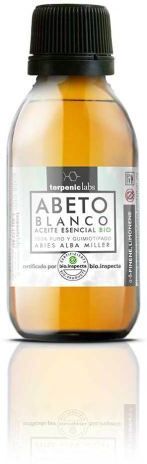
Terpenic Lab White Fir Essential Oil 10 mlNutrition and Supplements Natural Extracts Terpenic Lab White Fir Essential Oil 10 ml The white fir is an arboreal species of the Pinaceae family, native to the mountainous regions of Europe. The resin, in addition to being rich in turpentine, has a certain amount of abietinic acid. The essential oil is obtained by steam distillation of the leaves. Historically, White Fir AE has been valued for its properties such as: Analgesic Expectorant Stimulating tonic respiratory antiseptic6,01 £*Shipping: 3,99 £Secure redirect to the provider


-
How can you make fir tree seedlings from fir tree branches?
To make fir tree seedlings from fir tree branches, you can take cuttings from the branches in the spring or early summer. Choose healthy, young branches and cut them into 6-8 inch sections. Remove the lower needles and dip the cut end in rooting hormone. Plant the cuttings in a well-draining soil mix and keep them moist and in a humid environment. With proper care and attention, the cuttings should develop roots and grow into fir tree seedlings. **
-
Is Douglas fir toxic?
No, Douglas fir trees are not toxic to humans or animals. In fact, the wood of the Douglas fir tree is commonly used for construction, furniture, and other woodworking projects. However, like any tree, it is important to handle Douglas fir with care and take necessary safety precautions when working with the wood. **
-
Lower classifications of fir trees
Lower classifications of fir trees include the subgenus Abies, which consists of about 50 species of true firs. These firs are further divided into different sections based on their characteristics, such as the balsam firs (section Balsamea) and the silver firs (section Amabilis). Each section contains several species of fir trees that share similar traits and habitats. Overall, the lower classifications of fir trees help to organize and categorize the diverse species within the genus Abies. **
-
Which oil for Douglas fir?
For Douglas fir wood, it is recommended to use a penetrating oil finish such as tung oil or linseed oil. These oils will help enhance the natural beauty of the wood while providing protection against moisture and wear. Be sure to follow the manufacturer's instructions for application and drying times to achieve the best results. **

Can horses eat fir trees?
Horses should not eat fir trees as they are toxic to them. Fir trees contain toxins that can be harmful to horses if ingested, potentially causing digestive issues, colic, and other health problems. It is important to ensure that horses do not have access to fir trees or any other toxic plants in their environment to keep them safe and healthy. **
Is the fir needle toxic?
Fir needles are not considered toxic to humans. In fact, they have been used in traditional medicine for their various health benefits. However, it is always important to be cautious when ingesting any plant material, as some individuals may have allergies or sensitivities to certain compounds found in fir needles. It is recommended to consult with a healthcare professional before using fir needles for medicinal purposes. **
Top-Angebote
Products related to Terpenic-Lab-Balsam-Fir:
-
Terpenic Lab Balsam Fir Essential Oil 10 mlNutrition and Supplements Natural Extracts Terpenic Lab Balsam Fir Essential Oil 10 ml The Balsam Fir is an arboreal species belonging to the Pinaceae family, native to the United States and most of the eastern and central regions of Canada. It is a small to medium sized conifer with acicular leaves somewhat cleft at the tips. The cones are erect and mature in September. The resin is used to produce "Canada Balsam". The essential oil is obtained by steam distillation of the leaves. Historically, Balsam Fir AE has been valued for its properties such as: Respiratory antiseptic, Balsamic, Analgesic, Rubefacient10,12 £*Shipping: 3,99 £Secure redirect to the provider
-
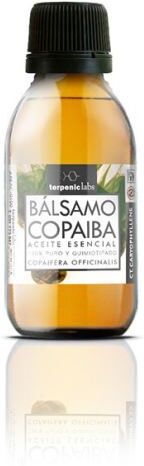
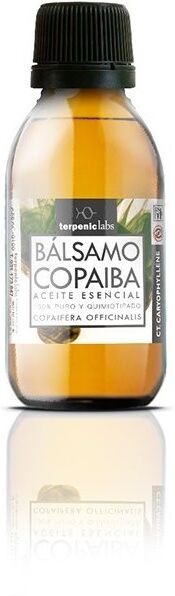
Terpenic Lab Copaiba Balsam Essential Oil 10 mlHealth and Beauty First aid kit Terpenic Lab Copaiba Balsam Essential Oil 10 ml Very rich in sesquiterpenes, this essential oil is a powerful anti-inflammatory and pain reliever, which is why it is used for muscle and joint pain. Copaiba Balsam is a flowering plant species belonging to the Fabaceae family, native to the Amazon basin and found in Brazil, Colombia, and Peru. It is a tree that grows to 20 meters tall, with a trunk measuring 50 cm in diameter and few branches. Its leaves are green and pinnate in pairs. The flowers are white and cluster in terminal racemes. The fruit is a legume with a single seed. It is a type of balsam obtained by incision. At the time of obtaining it, it is very fluid and colorless, but it thickens slightly over time, turning yellowish. The essential oil is obtained by distilling the oleoresin, requiring approximately 400 grams of resin to obtain 10 ml of the precious oil.6,09 £*Shipping: 3,99 £Secure redirect to the provider
-
Terpenic Lab Peruvian Balsam Essential Oil 10 mlHealth and Beauty First aid kit Terpenic Lab Peruvian Balsam Essential Oil 10 ml The Balsam of Peru is a leguminous tree from Central and South America, belonging to the Fabaceae family and about 12 m tall, with alternating evergreen leaves. The flowers are white with yellow stamens in clusters. The fruit is a 7–11 cm long legume containing a single seed. Peruvian balsam is obtained by making incisions in the trunk; it is a syrupy, yellowish liquid with a very pleasant smell reminiscent of vanilla. Unlike other natural resins, the extraction process begins with the so-called 'heating' of the tree, which consists of applying heat to a horizontal incision in the tree until the balsam artisan verifies that it is ready for extraction and subsequent distillation. Historically, Peruvian Balsam Essential Oil has been valued for its properties as: Anti-inflammatory, Antibacterial, Dermal regenerator, Balsamic. Risk of allergic reactions in people sensitive to Peruvian Balsam.8,44 £*Shipping: 3,99 £Secure redirect to the provider
-
Terpenic Lab Copaiba Balsam 30 ml 30 mlNutrition and Supplements Natural Extracts Terpenic Lab Copaiba Balsam 30 ml 30 ml Properties: Analgesic Anti-inflammatory Healing Circulatory stimulant AntisepticIt is a flowering plant species belonging to the Fabaceae family, native to the Amazon basin, found in Brazil, Colombia, and Peru. It is a tree that reaches 20 meters in height with a trunk 50 cm in diameter and little branched. Its leaves are green and pinnate in pairs. The flowers are white and are grouped in terminal clusters. The fruit is a legume with a single seed. It is a type of balm obtained by incision. When obtained, it is very fluid and colorless, but it thickens slightly over time and takes on a yellow color. By distilling the oleoresin, obtained by incision in the trunk, the essential oil is obtained, requiring about 400 gr. of resin to obtain 10 ml. - Indications: Joint pain, Bruises, Bronchitis, Urethritis - Aromatic Family: Resinous - Combines with: Australian Sandalwood, Lavender, Eucalyptus Citriodora, Wintergreen - Precautions: Use for short periods18,19 £*Shipping: 3,99 £Secure redirect to the provider
-
Does one say "der" or "das" Balsam, or even "die" Balsam?
In German, the word "Balsam" is considered masculine, so the correct article to use is "der Balsam." It is not common to use the article "die" with the word "Balsam." **
-
Does it mean "der" or "das" Balsam, or even "die" Balsam?
The word "Balsam" is a masculine noun in German, so it is "der Balsam." This means that when using articles or adjectives with "Balsam," you would use the masculine forms such as "der," "ein," or "dieser." It's important to remember the gender of nouns in German as it affects the choice of articles and adjectives used with them. **
-
How can you make fir tree seedlings from fir tree branches?
To make fir tree seedlings from fir tree branches, you can take cuttings from the branches in the spring or early summer. Choose healthy, young branches and cut them into 6-8 inch sections. Remove the lower needles and dip the cut end in rooting hormone. Plant the cuttings in a well-draining soil mix and keep them moist and in a humid environment. With proper care and attention, the cuttings should develop roots and grow into fir tree seedlings. **
-
Is Douglas fir toxic?
No, Douglas fir trees are not toxic to humans or animals. In fact, the wood of the Douglas fir tree is commonly used for construction, furniture, and other woodworking projects. However, like any tree, it is important to handle Douglas fir with care and take necessary safety precautions when working with the wood. **
Similar search terms for Terpenic-Lab-Balsam-Fir
-
Terpenic Lab Balsam of Peru 30 ml 30 mlNutrition and Supplements Natural Extracts Terpenic Lab Balsam of Peru 30 ml 30 ml Properties: Anti-inflammatory Antibacterial Balsamic Regenerating dermal It is a leguminous tree from Central and South America, belonging to the Fabaceae family, about 12 m high, with alternating evergreen leaves. The flowers are white with yellow stamens in clusters. The fruit is a legume 7-11 cm long that contains a single seed. The balsam of Peru is obtained through incisions made in the trunk, it is a syrupy liquid with a yellowish color and a very pleasant smell reminiscent of vanilla. Unlike other resins of natural origin, the extraction process begins with the so-called 'heating' of the tree, which consists of the application of heat to a horizontal incision of the tree until the balsamero craftsman verifies that it is at its point. - Indications: Eczema, Cracked Skin, Asthma, Bronchitis, Rheumatism - Aromatic Family: Resin - Combines with: Lavender, Thymol Thyme, Tea Tree, Camphor Rosemary - Precautions: Risk of allergic reactions in people sensitive to Balsam of Peru21,99 £*Shipping: 3,99 £Secure redirect to the provider
-
Terpenic Lab White Fir Essential Oil 10 mlNutrition and Supplements Natural Extracts Terpenic Lab White Fir Essential Oil 10 ml The white fir is an arboreal species of the Pinaceae family, native to the mountainous regions of Europe. The resin, in addition to being rich in turpentine, has a certain amount of abietinic acid. The essential oil is obtained by steam distillation of the leaves. Historically, White Fir AE has been valued for its properties such as: Analgesic Expectorant Stimulating tonic respiratory antiseptic6,01 £*Shipping: 3,99 £Secure redirect to the provider
-
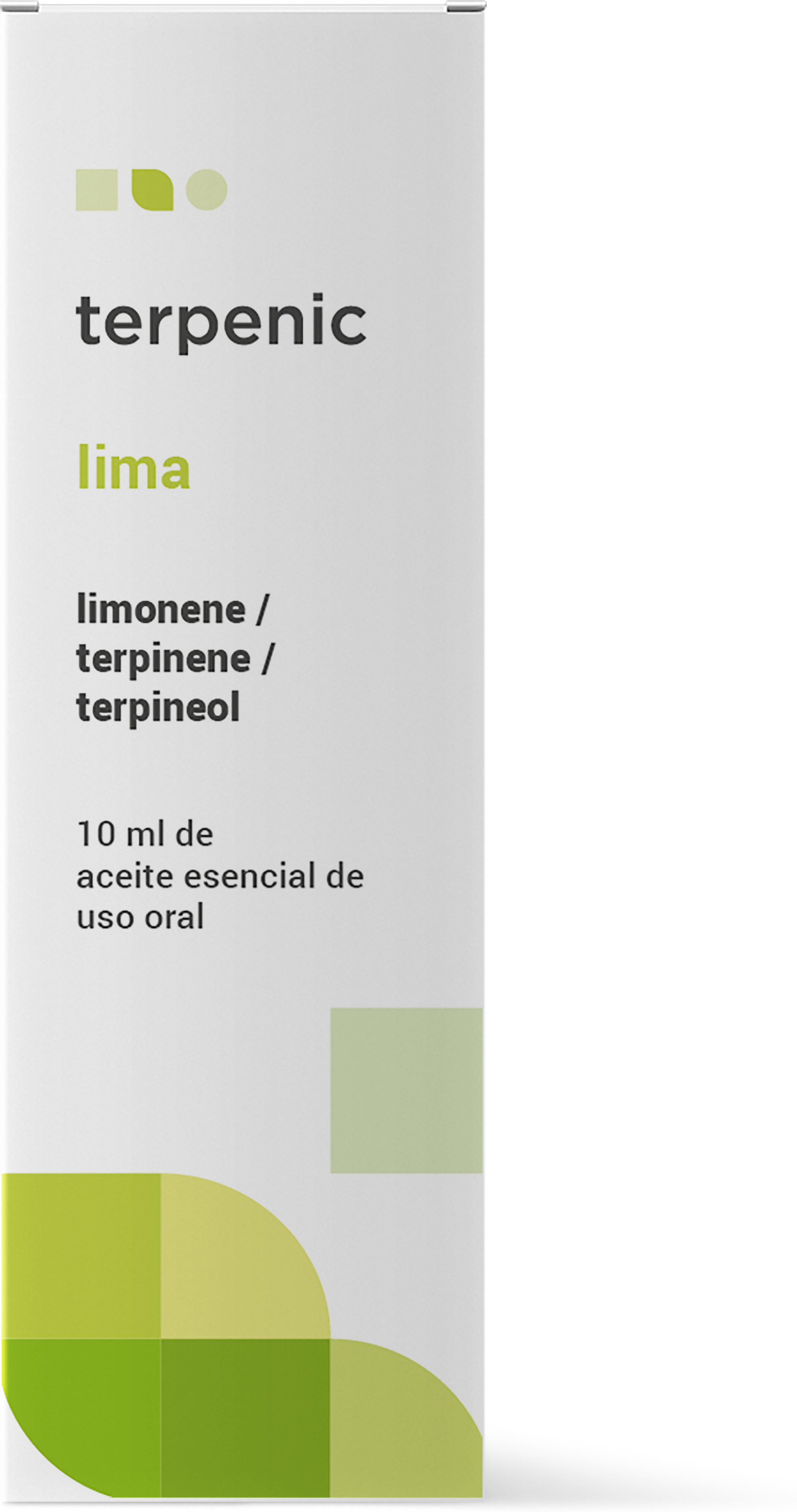
Terpenic Lab Terpenic Lima 10mlNutrition and Supplements Natural Extracts Terpenic Lab Terpenic Lima 10ml Organic Lime Essential Oil. Valued for its anti-inflammatory, antispasmodic, and antiseptic properties. Anxiety, stress, renal colic, liver failure. Package: 10 ml4,87 £*Shipping: 3,99 £Secure redirect to the provider
-
Terpenic Lab Terpenic Pomelo 10mlHealth and Beauty First aid kit Terpenic Lab Terpenic Pomelo 10ml Grapefruit essential oil is very interesting for our mood. Its pleasant and comforting aroma influences our well-being because it favors the release of endorphins. It is also a very interesting essence for cooking, even more so if we are following a slimming diet, in this case it helps us lose weight and fight against our compulsions towards certain foods and especially sweets. It is perfect to use in diffusion, it creates a relaxed environment and cleanses the air we breathe. Format: 10ml4,20 £*Shipping: 3,99 £Secure redirect to the provider
-
Lower classifications of fir trees
Lower classifications of fir trees include the subgenus Abies, which consists of about 50 species of true firs. These firs are further divided into different sections based on their characteristics, such as the balsam firs (section Balsamea) and the silver firs (section Amabilis). Each section contains several species of fir trees that share similar traits and habitats. Overall, the lower classifications of fir trees help to organize and categorize the diverse species within the genus Abies. **
-
Which oil for Douglas fir?
For Douglas fir wood, it is recommended to use a penetrating oil finish such as tung oil or linseed oil. These oils will help enhance the natural beauty of the wood while providing protection against moisture and wear. Be sure to follow the manufacturer's instructions for application and drying times to achieve the best results. **
-
Can horses eat fir trees?
Horses should not eat fir trees as they are toxic to them. Fir trees contain toxins that can be harmful to horses if ingested, potentially causing digestive issues, colic, and other health problems. It is important to ensure that horses do not have access to fir trees or any other toxic plants in their environment to keep them safe and healthy. **
-
Is the fir needle toxic?
Fir needles are not considered toxic to humans. In fact, they have been used in traditional medicine for their various health benefits. However, it is always important to be cautious when ingesting any plant material, as some individuals may have allergies or sensitivities to certain compounds found in fir needles. It is recommended to consult with a healthcare professional before using fir needles for medicinal purposes. **
* All prices are inclusive of VAT and, if applicable, plus shipping costs. The offer information is based on the details provided by the respective shop and is updated through automated processes. Real-time updates do not occur, so deviations can occur in individual cases. ** Note: Parts of this content were created by AI.