Buy smartaging.eu ?
We are moving the project
smartaging.eu .
Are you interested in purchasing the domain
smartaging.eu ?
domain@kv-gmbh.de · 0541-91531010
Buy smartaging.eu ?
What is a fern?
A fern is a type of plant that reproduces via spores rather than seeds. They are known for their feathery, green fronds and are typically found in damp, shady environments such as forests, swamps, and riverbanks. Ferns have a unique vascular system that allows them to transport water and nutrients throughout the plant. They are an ancient group of plants that have been around for millions of years and are valued for their ornamental beauty in gardens and landscapes. **
Is this fern poisonous?
No, the fern in the image is not poisonous. It is a Boston fern, which is safe for humans and pets. Boston ferns are non-toxic and are commonly used as houseplants or in landscaping. **


Similar search terms for Storied-Home-Faux-Fern
Top-Angebote
Products related to Storied-Home-Faux-Fern:


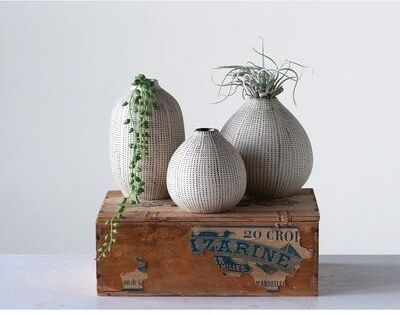

-
How can I save my fern?
To save your fern, make sure it is getting the right amount of light, water, and humidity. Ferns typically prefer indirect light and consistently moist soil. Ensure the plant is not sitting in water, as this can lead to root rot. You can also try misting the leaves or placing a humidifier nearby to increase humidity levels. Additionally, consider repotting the fern in fresh, well-draining soil if it appears root-bound or if the current soil is compacted. **
-
'How can I save this fern?'
To save a fern, you can start by assessing its current condition and addressing any issues it may be facing. Ensure that the fern is receiving the right amount of light, water, and humidity. Trim any yellow or brown fronds and remove any dead or decaying plant matter. Repot the fern if it is rootbound, and consider adding some fertilizer to promote healthy growth. With proper care and attention, your fern should start to thrive again. **
-
Is "fern" written in uppercase or lowercase?
The word "fern" is typically written in lowercase. **
-
Why is my Java fern getting algae?
Algae growth on a Java fern can be due to excess light exposure. Java ferns prefer low to moderate light levels, so if they are exposed to too much light, algae can thrive and grow on their leaves. Additionally, poor water quality, such as high levels of nutrients or organic waste, can also contribute to algae growth on Java ferns. It is important to maintain a proper balance of light, nutrients, and water quality to prevent algae from overtaking your Java fern. **


Is 'fern' written in uppercase or lowercase?
'Fern' is written in lowercase. **
Which parasites can occur on Java fern?
Java fern can be susceptible to various parasites such as snails, planaria, and algae. Snails can feed on the leaves of the plant, causing damage and hindering its growth. Planaria are flatworms that can also feed on the plant, leading to deterioration. Additionally, algae can grow on the leaves of the Java fern, competing for nutrients and light, which can weaken the plant. Regular monitoring and proper maintenance can help prevent and control these parasites on Java fern. **
Top-Angebote
Products related to Storied-Home-Faux-Fern:
-
Storied Home Potted Faux Olive Artificial FlowerStand back and look at the room decor to see if there are any empty spaces that need something more. This adorable olive tree will fill that space and breath new life into the overall room appearance.85,99 $*Shipping: 0,00 $Secure redirect to the provider
-
What is a fern?
A fern is a type of plant that reproduces via spores rather than seeds. They are known for their feathery, green fronds and are typically found in damp, shady environments such as forests, swamps, and riverbanks. Ferns have a unique vascular system that allows them to transport water and nutrients throughout the plant. They are an ancient group of plants that have been around for millions of years and are valued for their ornamental beauty in gardens and landscapes. **
-
Is this fern poisonous?
No, the fern in the image is not poisonous. It is a Boston fern, which is safe for humans and pets. Boston ferns are non-toxic and are commonly used as houseplants or in landscaping. **
-
How can I save my fern?
To save your fern, make sure it is getting the right amount of light, water, and humidity. Ferns typically prefer indirect light and consistently moist soil. Ensure the plant is not sitting in water, as this can lead to root rot. You can also try misting the leaves or placing a humidifier nearby to increase humidity levels. Additionally, consider repotting the fern in fresh, well-draining soil if it appears root-bound or if the current soil is compacted. **
-
'How can I save this fern?'
To save a fern, you can start by assessing its current condition and addressing any issues it may be facing. Ensure that the fern is receiving the right amount of light, water, and humidity. Trim any yellow or brown fronds and remove any dead or decaying plant matter. Repot the fern if it is rootbound, and consider adding some fertilizer to promote healthy growth. With proper care and attention, your fern should start to thrive again. **
Similar search terms for Storied-Home-Faux-Fern
-
Storied Home Faux Flowers in Ceramic Pitcher (Set of 4 Styles) - MulticolorThese beautiful plants come in their own adorable white pitchers. They will add a breath of fresh air to any room by placing on a mantel, tabletop or windowsill. They also make great individual gifts for a special friend.48,49 $*Shipping: 0,00 $Secure redirect to the provider
-
Is "fern" written in uppercase or lowercase?
The word "fern" is typically written in lowercase. **
-
Why is my Java fern getting algae?
Algae growth on a Java fern can be due to excess light exposure. Java ferns prefer low to moderate light levels, so if they are exposed to too much light, algae can thrive and grow on their leaves. Additionally, poor water quality, such as high levels of nutrients or organic waste, can also contribute to algae growth on Java ferns. It is important to maintain a proper balance of light, nutrients, and water quality to prevent algae from overtaking your Java fern. **
-
Is 'fern' written in uppercase or lowercase?
'Fern' is written in lowercase. **
-
Which parasites can occur on Java fern?
Java fern can be susceptible to various parasites such as snails, planaria, and algae. Snails can feed on the leaves of the plant, causing damage and hindering its growth. Planaria are flatworms that can also feed on the plant, leading to deterioration. Additionally, algae can grow on the leaves of the Java fern, competing for nutrients and light, which can weaken the plant. Regular monitoring and proper maintenance can help prevent and control these parasites on Java fern. **
* All prices are inclusive of VAT and, if applicable, plus shipping costs. The offer information is based on the details provided by the respective shop and is updated through automated processes. Real-time updates do not occur, so deviations can occur in individual cases. ** Note: Parts of this content were created by AI.