Buy smartaging.eu ?
We are moving the project
smartaging.eu .
Are you interested in purchasing the domain
smartaging.eu ?
domain@kv-gmbh.de · 0541-91531010
Buy smartaging.eu ?
What is the difference between a kinematic coupling and a force coupling in mechanics?
In mechanics, a kinematic coupling refers to a connection between two parts that allows for relative motion without any force transmission. This means that the parts can move independently of each other without affecting each other's motion. On the other hand, a force coupling refers to a connection between two parts that allows for force transmission, meaning that the motion of one part directly affects the motion of the other part. In summary, the main difference between the two is that kinematic couplings allow for independent motion, while force couplings transmit forces between the connected parts. **
Why is there no water hose connection with a male quick coupling?
A water hose connection typically does not have a male quick coupling because the male quick coupling is designed to be attached to the end of a hose, while the water hose connection is designed to be attached to a water source or faucet. The female end of the water hose connection is designed to receive the male end of the hose, creating a secure and watertight connection. Therefore, having a male quick coupling on the water hose connection would not serve a practical purpose in the context of connecting a hose to a water source. **


Similar search terms for FORCE-9G0733-Quick-Coupling
Top-Angebote
Products related to FORCE-9G0733-Quick-Coupling:
-
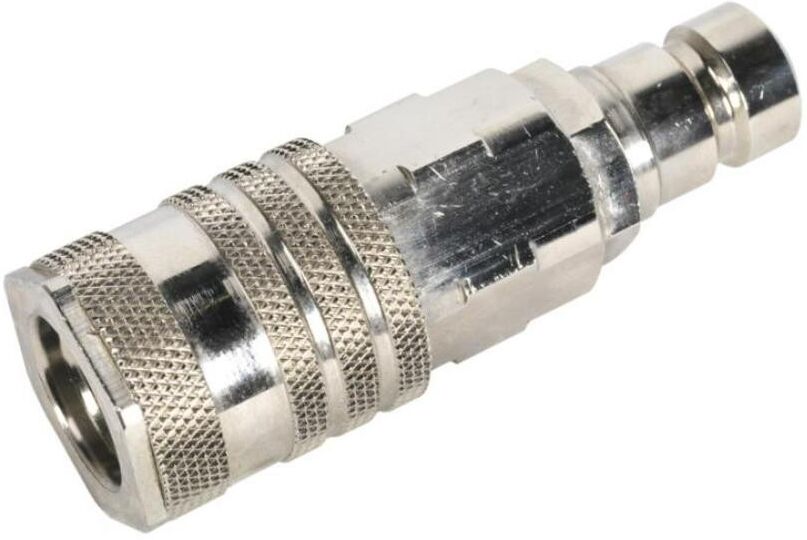
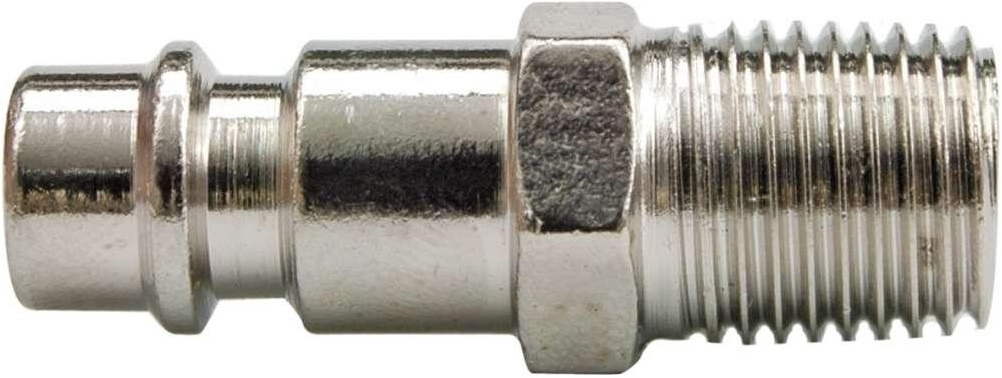
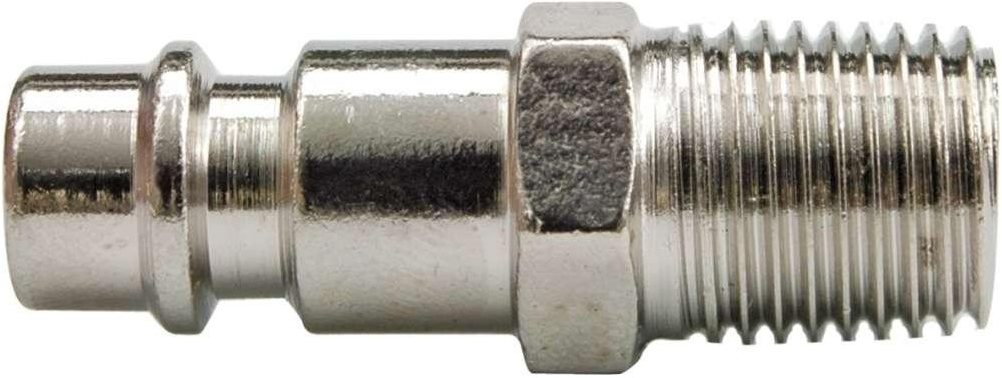
ewo 455.024 Quick CouplingLength [mm]: 77; Thread Length [mm]: 25; Spanner Size: 24; DIN/ISO: ISO 4414, DIN EN 983; Diameter: 9; Operating Pressure [bar]: 1-8; Operating temperature from [°C]: -10; Operating temperature to [°C]: +90; Material: Brass, NBR (nitrile butadiene rubber); Surface: Nickel-coated27,99 £*Shipping: 8,45 £Secure redirect to the provider

-
What is the spring force in a locking body coupling?
The spring force in a locking body coupling is the force exerted by the spring within the coupling to hold the two bodies together. This force is designed to prevent any relative movement between the two bodies, ensuring a secure and stable connection. The spring force is typically adjustable to accommodate different levels of force required for specific applications. It plays a crucial role in maintaining the integrity and stability of the coupling under various operating conditions. **
-
What are coupling effects?
Coupling effects refer to the interactions between different components or systems that can affect each other's behavior or performance. These effects can be either positive, where the interaction enhances the overall performance, or negative, where the interaction hinders the performance. Coupling effects are important to consider in various fields such as engineering, physics, and biology, as they can have significant implications on the overall system dynamics. Understanding and managing coupling effects is crucial for optimizing the performance and reliability of complex systems. **
-
What happens during coupling?
During coupling, two or more individuals come together to form a partnership or relationship. This can involve emotional, physical, or social connections between the individuals. Coupling often leads to increased intimacy, shared experiences, and mutual support between the individuals involved. It can also result in the formation of a committed relationship or marriage. **
-
What happens when coupling?
When coupling, two or more systems or components are connected or linked together to work in conjunction with each other. This can lead to an increase in efficiency, as the systems can work together to achieve a common goal. Coupling can also lead to an increase in complexity, as the interconnected systems may become more interdependent. Additionally, coupling can also lead to potential issues if one system fails or malfunctions, as it can impact the performance of the other interconnected systems. **

What is capacitive coupling?
Capacitive coupling is a method of transferring electrical energy between two adjacent conductors without direct electrical connection. It occurs when an electric field is formed between two conductors, and the changing electric field induces a voltage in the adjacent conductor. This phenomenon is commonly used in electronic circuits for signal transmission, noise reduction, and power transfer. Capacitive coupling can be intentional, such as in capacitive touchscreens, or unintentional, such as in crosstalk between adjacent traces on a printed circuit board. **
What does energetic coupling mean?
Energetic coupling refers to the phenomenon where two systems or entities exchange energy with each other, leading to a mutual influence or synchronization of their energies. This can occur in various forms, such as emotional, physical, or spiritual connections between individuals. Energetic coupling can result in a harmonious exchange of energy, but it can also lead to draining or imbalanced relationships if one party is giving more energy than they are receiving. **
Top-Angebote
Products related to FORCE-9G0733-Quick-Coupling:
-
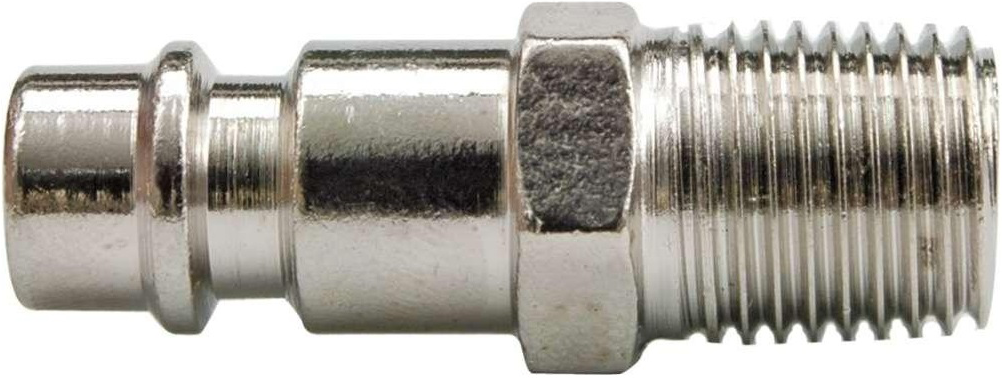
ewo 455.024 Quick CouplingLength [mm]: 77; Thread Length [mm]: 25; Spanner Size: 24; DIN/ISO: ISO 4414, DIN EN 983; Diameter: 9; Operating Pressure [bar]: 1-8; Operating temperature from [°C]: -10; Operating temperature to [°C]: +90; Material: Brass, NBR (nitrile butadiene rubber); Surface: Nickel-coated27,99 £*Shipping: 8,45 £Secure redirect to the provider
-
What is the difference between a kinematic coupling and a force coupling in mechanics?
In mechanics, a kinematic coupling refers to a connection between two parts that allows for relative motion without any force transmission. This means that the parts can move independently of each other without affecting each other's motion. On the other hand, a force coupling refers to a connection between two parts that allows for force transmission, meaning that the motion of one part directly affects the motion of the other part. In summary, the main difference between the two is that kinematic couplings allow for independent motion, while force couplings transmit forces between the connected parts. **
-
Why is there no water hose connection with a male quick coupling?
A water hose connection typically does not have a male quick coupling because the male quick coupling is designed to be attached to the end of a hose, while the water hose connection is designed to be attached to a water source or faucet. The female end of the water hose connection is designed to receive the male end of the hose, creating a secure and watertight connection. Therefore, having a male quick coupling on the water hose connection would not serve a practical purpose in the context of connecting a hose to a water source. **
-
What is the spring force in a locking body coupling?
The spring force in a locking body coupling is the force exerted by the spring within the coupling to hold the two bodies together. This force is designed to prevent any relative movement between the two bodies, ensuring a secure and stable connection. The spring force is typically adjustable to accommodate different levels of force required for specific applications. It plays a crucial role in maintaining the integrity and stability of the coupling under various operating conditions. **
-
What are coupling effects?
Coupling effects refer to the interactions between different components or systems that can affect each other's behavior or performance. These effects can be either positive, where the interaction enhances the overall performance, or negative, where the interaction hinders the performance. Coupling effects are important to consider in various fields such as engineering, physics, and biology, as they can have significant implications on the overall system dynamics. Understanding and managing coupling effects is crucial for optimizing the performance and reliability of complex systems. **
Similar search terms for FORCE-9G0733-Quick-Coupling
-
What happens during coupling?
During coupling, two or more individuals come together to form a partnership or relationship. This can involve emotional, physical, or social connections between the individuals. Coupling often leads to increased intimacy, shared experiences, and mutual support between the individuals involved. It can also result in the formation of a committed relationship or marriage. **
-
What happens when coupling?
When coupling, two or more systems or components are connected or linked together to work in conjunction with each other. This can lead to an increase in efficiency, as the systems can work together to achieve a common goal. Coupling can also lead to an increase in complexity, as the interconnected systems may become more interdependent. Additionally, coupling can also lead to potential issues if one system fails or malfunctions, as it can impact the performance of the other interconnected systems. **
-
What is capacitive coupling?
Capacitive coupling is a method of transferring electrical energy between two adjacent conductors without direct electrical connection. It occurs when an electric field is formed between two conductors, and the changing electric field induces a voltage in the adjacent conductor. This phenomenon is commonly used in electronic circuits for signal transmission, noise reduction, and power transfer. Capacitive coupling can be intentional, such as in capacitive touchscreens, or unintentional, such as in crosstalk between adjacent traces on a printed circuit board. **
-
What does energetic coupling mean?
Energetic coupling refers to the phenomenon where two systems or entities exchange energy with each other, leading to a mutual influence or synchronization of their energies. This can occur in various forms, such as emotional, physical, or spiritual connections between individuals. Energetic coupling can result in a harmonious exchange of energy, but it can also lead to draining or imbalanced relationships if one party is giving more energy than they are receiving. **
* All prices are inclusive of VAT and, if applicable, plus shipping costs. The offer information is based on the details provided by the respective shop and is updated through automated processes. Real-time updates do not occur, so deviations can occur in individual cases. ** Note: Parts of this content were created by AI.