Buy smartaging.eu ?
We are moving the project
smartaging.eu .
Are you interested in purchasing the domain
smartaging.eu ?
domain@kv-gmbh.de · 0541-91531010
Buy smartaging.eu ?
What is the endosymbiont theory?
The endosymbiont theory proposes that eukaryotic cells, which make up plants, animals, fungi, and protists, evolved from a symbiotic relationship between different types of prokaryotic cells. Specifically, it suggests that mitochondria and chloroplasts within eukaryotic cells were once free-living bacteria that were engulfed by a larger host cell but instead of being digested, they formed a mutually beneficial relationship. This theory is supported by evidence such as the similarities between the DNA of mitochondria and chloroplasts with that of bacteria, as well as their ability to replicate independently within the cell. **
What evidence supports the endosymbiont theory?
Several pieces of evidence support the endosymbiont theory: 1. Mitochondria and chloroplasts have their own DNA, which is circular like bacterial DNA. This suggests that they were once free-living bacteria that were engulfed by a host cell. 2. Mitochondria and chloroplasts have their own ribosomes, which are similar to bacterial ribosomes. This indicates that they are capable of protein synthesis independently of the host cell. 3. Mitochondria and chloroplasts reproduce independently of the host cell through a process similar to bacterial binary fission. 4. The inner membranes of mitochondria and chloroplasts contain enzymes and transport systems that are similar to those found in bacteria. 5. Some protists have structures called hydrogenosomes and mitosomes, which are thought to be degenerate forms of mitochondria. This supports the idea that mitochondria evolved from free-living bacteria. Overall, these pieces of evidence provide strong support for the endosymbiont theory, which suggests that mitochondria and chloroplasts were once free-living bacteria that were engulfed by a host cell and eventually evolved into organelles. **
Similar search terms for Endosymbiont
Top-Angebote
Products related to Endosymbiont:
-
Penguin Life Eat Yourself Healthy by Dr Megan Rossi - Gut Health & Nutrition Guide - Paperback - IBS, Bloating & Digestive Wellness RecipesDiscover the simple guide to a healthier you with Eat Yourself Healthy by Dr Megan Rossi. This accessible book explains how the trillions of microbes in your digestive system influence your energy levels, skin, mood, and immunity. Whether you're battling bloating, IBS, or just want to feel better from the inside out, Dr Rossi's practical advice and delicious gut-boosting recipes will help you take control of your gut health. Drawing on her decade of clinical experience and the latest scientific research, Dr Rossi demystifies the gut microbiome and shows you how to nurture it for long-term wellbeing. This book covers common digestive complaints such as IBS, bloating, and food intolerance, providing you with the knowledge and tools to make informed choices about your diet and lifestyle. Written by Dr Megan Rossi, a leading expert in gut health, Eat Yourself Healthy is a must-read for anyone looking to improve their overall health and wellbeing.14,99 £*Shipping: 2,99 £Secure redirect to the provider
-
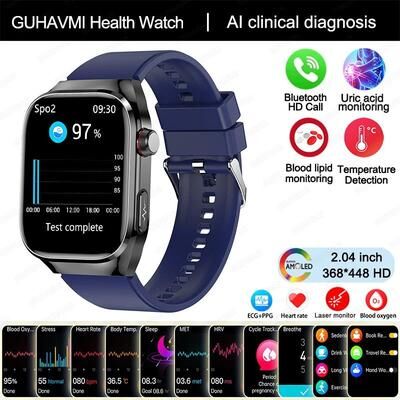
Inspire Select 2025 Health Smart Watch AMOLED Bluetooth Call Fitness Tracker With ECG & Wellness Monitoring blueStay connected while monitoring your daily wellness with this advanced health smart watch designed for fitness, lifestyle tracking, and smart convenience. Featuring a stunning AMOLED smartwatch display, Bluetooth calling, ECG monitoring, and...299,95 $*Shipping: 0,00 $Secure redirect to the provider
-
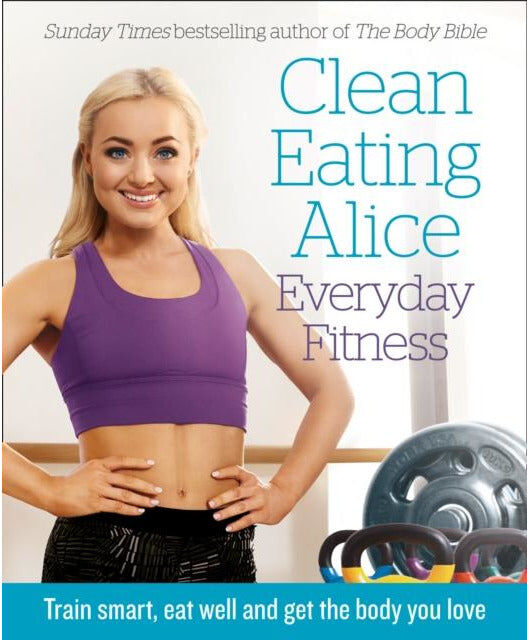
HARPERCOLLINS Clean Eating Alice: Everyday Fitness – Healthy Recipes & Practical Workout Guide for Everyday Wellness by Alice Liveing – Workout & Nutrition GuideTransform your approach to health and fitness with Clean Eating Alice Everyday Fitness: Train Smart, Eat Well and Get the Body You Love by Alice Liveing. This practical, motivating guide combines smart training principles with balanced nutrition to help readers build strength, confidence, and sustainable healthy habits. Alice Liveing shares structured workout plans, approachable meal ideas, and realistic lifestyle advice designed to fit everyday routines — no extremes or quick fixes required. Focused on long-term wellbeing rather than short-term dieting, the book empowers readers to develop a positive relationship with food and exercise while working toward personal fitness goals. Whether you’re new to training or refining your routine, this guide offers clear, supportive direction for lasting results. Why Readers Love This Book: Structured fitness training plans for real-life schedules Balanced nutrition guidance — no fad dieting Encourages sustainable, long-term habits Motivational, beginner-friendly tone Ideal for home or gym-based workouts A smart, accessible roadmap to healthier living, Clean Eating Alice Everyday Fitness helps readers feel strong, energized, and confident.2,80 £*Shipping: 1,99 £Secure redirect to the provider
-
Anima The Wellness Rebel by Plantbased Pixie - Hardback Nutrition & Wellness Book - Evidence-Based Myth-Busting Guide to Healthy EatingThe Wellness Rebel by Plantbased Pixie is a non-fiction hardback book that offers an evidence-based approach to the wellness industry. Written by a food blogger and qualified nutritionist, it cuts through myths and misconceptions with science, wit, and warmth. The book champions balance and debunks fads like alkaline diets, raw food dogma, and superfood hype, while providing practical and sustainable ways to enjoy food without guilt, fear, or misinformation. Published by Anima (Head of Zeus), this book is suitable for adults and provides a much-needed perspective on what 'healthy' eating really means.9,49 £*Shipping: 2,99 £Secure redirect to the provider

-
Which data support the endosymbiont theory?
The endosymbiont theory is supported by several lines of evidence, including the similarities between mitochondria and chloroplasts and certain types of bacteria, the presence of their own DNA and ribosomes, and their ability to replicate independently within the host cell. Additionally, the phylogenetic analysis of mitochondrial and chloroplast DNA has shown that they are more closely related to certain groups of bacteria than to eukaryotic cells. Finally, the presence of double membranes in mitochondria and chloroplasts is consistent with the theory that they were once free-living bacteria that were engulfed by a host cell. **
-
What is meant by the endosymbiont theory?
The endosymbiont theory proposes that eukaryotic cells evolved from a symbiotic relationship between different types of prokaryotic cells. According to this theory, mitochondria and chloroplasts, which are organelles found in eukaryotic cells, were once free-living bacteria that were engulfed by a larger host cell. Over time, these bacteria formed a mutually beneficial relationship with the host cell, eventually becoming integrated into the cell and evolving into specialized organelles. This theory is supported by evidence such as the similarities between the DNA of mitochondria and chloroplasts and that of bacteria. **
-
How can the endosymbiont theory be proven?
The endosymbiont theory can be proven through a combination of evidence from molecular biology, genetics, and comparative genomics. One way to prove the theory is by comparing the genetic material of organelles like mitochondria and chloroplasts to that of free-living bacteria. If the genetic sequences are similar, it would support the idea that these organelles were once independent bacteria that were engulfed by a host cell. Additionally, studying the structure and function of these organelles can provide further evidence for their bacterial origins. Finally, experimental studies, such as observing the behavior of organelles in different environments, can also help to support the endosymbiont theory. **
-
Why is the endosymbiont theory spoken of?
The endosymbiont theory is spoken of because it provides a compelling explanation for the origin of eukaryotic cells. This theory suggests that eukaryotic cells evolved from a symbiotic relationship between different types of prokaryotic cells, with one cell engulfing another and forming a mutually beneficial partnership. This theory is important because it helps to explain the presence of organelles such as mitochondria and chloroplasts within eukaryotic cells, as well as the similarities between these organelles and certain types of bacteria. Overall, the endosymbiont theory has had a significant impact on our understanding of the evolution of complex life forms. **

How can the endosymbiont theory be explained simply?
The endosymbiont theory proposes that eukaryotic cells evolved from a symbiotic relationship between different types of prokaryotic cells. According to this theory, a larger host cell engulfed a smaller prokaryotic cell, forming a symbiotic relationship where the smaller cell provided energy through processes like photosynthesis or respiration. Over time, the smaller cell evolved into organelles like mitochondria and chloroplasts, which are now essential components of eukaryotic cells. This theory is supported by evidence such as the similarities between organelles and prokaryotic cells, as well as the presence of DNA within organelles. **
What does the endosymbiont theory state in biology?
The endosymbiont theory in biology states that eukaryotic cells, which make up plants, animals, fungi, and protists, evolved from a symbiotic relationship between different types of prokaryotic cells. Specifically, it proposes that mitochondria and chloroplasts, which are organelles found in eukaryotic cells, were once free-living bacteria that were engulfed by a larger host cell. Over time, these bacteria formed a mutually beneficial relationship with the host cell, eventually becoming permanent residents and evolving into the organelles we see today. This theory is supported by evidence such as the similarities between the DNA of mitochondria and chloroplasts and that of free-living bacteria, as well as their ability to replicate independently within the cell. **
Top-Angebote
Products related to Endosymbiont:
-
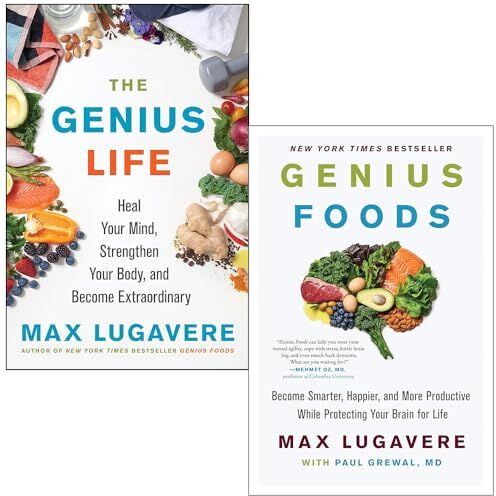
Harper ltd Max Lugavere 2 Book Set – Genius Foods & The Genius Life Brain Health, Nutrition & Wellness CollectionMax Lugavere 2-Book Collection Set (The Genius Life & Genius Foods – Nutrition, Health, Wellness, Diet, Brain & Body Health, Self-Help & Fitness) The Genius Life: Heal Your Mind, Strengthen Your Body, and Become Extraordinary: Supporting the work of Battersea Dogs and Cats Home.Enjoy a heartwarming dog to brighten every single day of the year. From Pickles, the dog who single-handedly saved the 1966 world cup, to Pal, who found silver screen fame as the original Lassie, Battersea's A Dog a Day contains 365 fascinating stories of dogs to enjoy throughout the year.Beautifully packaged and illustrated throughout with charming illustrations of cheeky puppies and hounds, this is the perfect book for any lover of our four-legged friends. Genius Foods: Become Smarter, Happier, and More Productive While Protecting Your Brain for Life: After his mother was diagnosed with a mysterious form of dementia, Max Lugavere put his successful media career on hold to learn everything he could about brain health and performance. For the better half of a decade, he consumed the most up-to-date scientific research, talked to dozens of leading scientists and clinicians around the world, and visited the country’s best neurology departments—all in the hopes of understanding his mother’s condition.Now, in Genius Foods, Lugavere presents a comprehensive guide to brain optimization. He uncovers the stunning link between our dietary and lifestyle choices and our brain functions, revealing how the foods you eat directly affect your ability to focus, learn, remember, create, analyze new ideas, and maintain a balanced mood.12,95 £*Shipping: 2,99 £Secure redirect to the provider
-
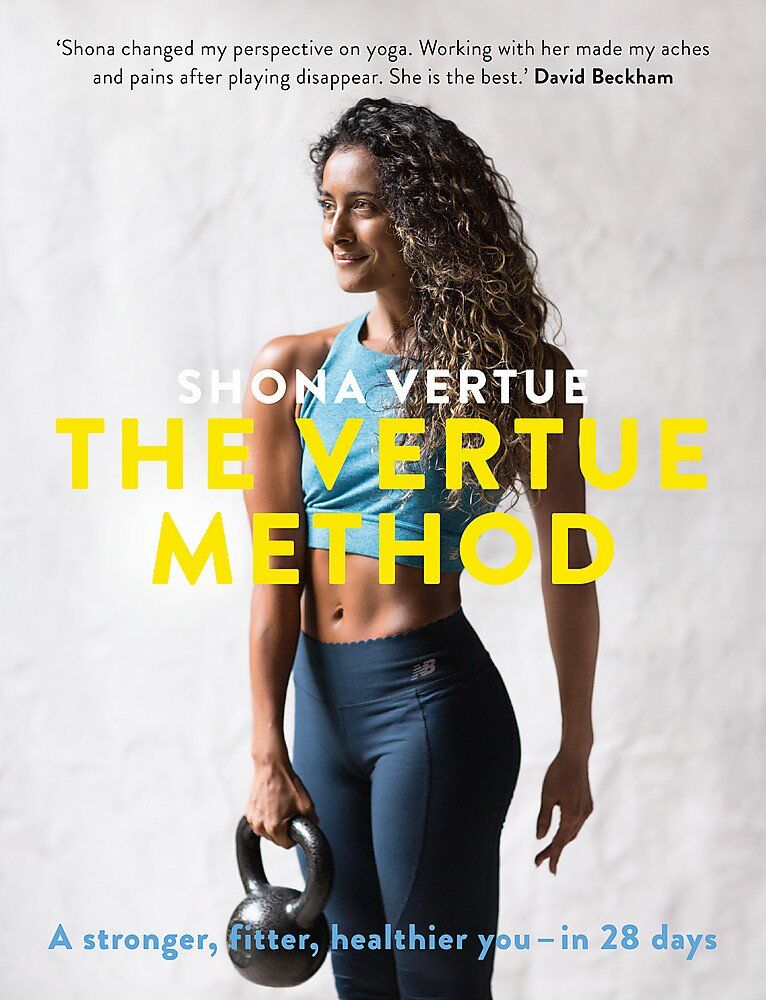
Yellow Kite The Vertue Method by Shona Vertue - Paperback - 28-Day Fitness, Yoga & Nutrition Plan - Health & Fitness BookGet fit and feel great with The Vertue Method, a 28-day plan from celebrity personal trainer and yoga teacher Shona Vertue. This practical system combines resistance training, yoga, and mindful eating to help you build strength, flexibility, and calm in body and mind. The book is designed for anyone who has tried fitness fads without lasting results, offering a realistic and sustainable route to a healthier you. Shona Vertue's expertise is distilled into a clear, structured 28-day plan that can be followed at home or in the gym. The book's signature 'three-in-one' approach combines weighted resistance training to build lean muscle and boost metabolism, yoga sequences to improve flexibility and lengthen tight muscles, and mindful eating to promote a balanced diet. With The Vertue Method, you can achieve a stronger, fitter, and healthier you in just 28 days.13,99 £*Shipping: 2,99 £Secure redirect to the provider
-
Penguin Life Eat Yourself Healthy by Dr Megan Rossi - Gut Health & Nutrition Guide - Paperback - IBS, Bloating & Digestive Wellness RecipesDiscover the simple guide to a healthier you with Eat Yourself Healthy by Dr Megan Rossi. This accessible book explains how the trillions of microbes in your digestive system influence your energy levels, skin, mood, and immunity. Whether you're battling bloating, IBS, or just want to feel better from the inside out, Dr Rossi's practical advice and delicious gut-boosting recipes will help you take control of your gut health. Drawing on her decade of clinical experience and the latest scientific research, Dr Rossi demystifies the gut microbiome and shows you how to nurture it for long-term wellbeing. This book covers common digestive complaints such as IBS, bloating, and food intolerance, providing you with the knowledge and tools to make informed choices about your diet and lifestyle. Written by Dr Megan Rossi, a leading expert in gut health, Eat Yourself Healthy is a must-read for anyone looking to improve their overall health and wellbeing.14,99 £*Shipping: 2,99 £Secure redirect to the provider
-
Inspire Select 2025 Health Smart Watch AMOLED Bluetooth Call Fitness Tracker With ECG & Wellness Monitoring blueStay connected while monitoring your daily wellness with this advanced health smart watch designed for fitness, lifestyle tracking, and smart convenience. Featuring a stunning AMOLED smartwatch display, Bluetooth calling, ECG monitoring, and...299,95 $*Shipping: 0,00 $Secure redirect to the provider
-
What is the endosymbiont theory?
The endosymbiont theory proposes that eukaryotic cells, which make up plants, animals, fungi, and protists, evolved from a symbiotic relationship between different types of prokaryotic cells. Specifically, it suggests that mitochondria and chloroplasts within eukaryotic cells were once free-living bacteria that were engulfed by a larger host cell but instead of being digested, they formed a mutually beneficial relationship. This theory is supported by evidence such as the similarities between the DNA of mitochondria and chloroplasts with that of bacteria, as well as their ability to replicate independently within the cell. **
-
What evidence supports the endosymbiont theory?
Several pieces of evidence support the endosymbiont theory: 1. Mitochondria and chloroplasts have their own DNA, which is circular like bacterial DNA. This suggests that they were once free-living bacteria that were engulfed by a host cell. 2. Mitochondria and chloroplasts have their own ribosomes, which are similar to bacterial ribosomes. This indicates that they are capable of protein synthesis independently of the host cell. 3. Mitochondria and chloroplasts reproduce independently of the host cell through a process similar to bacterial binary fission. 4. The inner membranes of mitochondria and chloroplasts contain enzymes and transport systems that are similar to those found in bacteria. 5. Some protists have structures called hydrogenosomes and mitosomes, which are thought to be degenerate forms of mitochondria. This supports the idea that mitochondria evolved from free-living bacteria. Overall, these pieces of evidence provide strong support for the endosymbiont theory, which suggests that mitochondria and chloroplasts were once free-living bacteria that were engulfed by a host cell and eventually evolved into organelles. **
-
Which data support the endosymbiont theory?
The endosymbiont theory is supported by several lines of evidence, including the similarities between mitochondria and chloroplasts and certain types of bacteria, the presence of their own DNA and ribosomes, and their ability to replicate independently within the host cell. Additionally, the phylogenetic analysis of mitochondrial and chloroplast DNA has shown that they are more closely related to certain groups of bacteria than to eukaryotic cells. Finally, the presence of double membranes in mitochondria and chloroplasts is consistent with the theory that they were once free-living bacteria that were engulfed by a host cell. **
-
What is meant by the endosymbiont theory?
The endosymbiont theory proposes that eukaryotic cells evolved from a symbiotic relationship between different types of prokaryotic cells. According to this theory, mitochondria and chloroplasts, which are organelles found in eukaryotic cells, were once free-living bacteria that were engulfed by a larger host cell. Over time, these bacteria formed a mutually beneficial relationship with the host cell, eventually becoming integrated into the cell and evolving into specialized organelles. This theory is supported by evidence such as the similarities between the DNA of mitochondria and chloroplasts and that of bacteria. **
Similar search terms for Endosymbiont
-
HARPERCOLLINS Clean Eating Alice: Everyday Fitness – Healthy Recipes & Practical Workout Guide for Everyday Wellness by Alice Liveing – Workout & Nutrition GuideTransform your approach to health and fitness with Clean Eating Alice Everyday Fitness: Train Smart, Eat Well and Get the Body You Love by Alice Liveing. This practical, motivating guide combines smart training principles with balanced nutrition to help readers build strength, confidence, and sustainable healthy habits. Alice Liveing shares structured workout plans, approachable meal ideas, and realistic lifestyle advice designed to fit everyday routines — no extremes or quick fixes required. Focused on long-term wellbeing rather than short-term dieting, the book empowers readers to develop a positive relationship with food and exercise while working toward personal fitness goals. Whether you’re new to training or refining your routine, this guide offers clear, supportive direction for lasting results. Why Readers Love This Book: Structured fitness training plans for real-life schedules Balanced nutrition guidance — no fad dieting Encourages sustainable, long-term habits Motivational, beginner-friendly tone Ideal for home or gym-based workouts A smart, accessible roadmap to healthier living, Clean Eating Alice Everyday Fitness helps readers feel strong, energized, and confident.2,80 £*Shipping: 1,99 £Secure redirect to the provider
-
Anima The Wellness Rebel by Plantbased Pixie - Hardback Nutrition & Wellness Book - Evidence-Based Myth-Busting Guide to Healthy EatingThe Wellness Rebel by Plantbased Pixie is a non-fiction hardback book that offers an evidence-based approach to the wellness industry. Written by a food blogger and qualified nutritionist, it cuts through myths and misconceptions with science, wit, and warmth. The book champions balance and debunks fads like alkaline diets, raw food dogma, and superfood hype, while providing practical and sustainable ways to enjoy food without guilt, fear, or misinformation. Published by Anima (Head of Zeus), this book is suitable for adults and provides a much-needed perspective on what 'healthy' eating really means.9,49 £*Shipping: 2,99 £Secure redirect to the provider
-
Inspire Select 2025 Health Smart Watch AMOLED Bluetooth Call Fitness Tracker With ECG & Wellness Monitoring blackStay connected while monitoring your daily wellness with this advanced health smart watch designed for fitness, lifestyle tracking, and smart convenience. Featuring a stunning AMOLED smartwatch display, Bluetooth calling, ECG monitoring, and...288,98 $*Shipping: 0,00 $Secure redirect to the provider
-
Inspire Select 2025 Health Smart Watch AMOLED Bluetooth Call Fitness Tracker With ECG & Wellness Monitoring silverStay connected while monitoring your daily wellness with this advanced health smart watch designed for fitness, lifestyle tracking, and smart convenience. Featuring a stunning AMOLED smartwatch display, Bluetooth calling, ECG monitoring, and...298,98 $*Shipping: 0,00 $Secure redirect to the provider
-
How can the endosymbiont theory be proven?
The endosymbiont theory can be proven through a combination of evidence from molecular biology, genetics, and comparative genomics. One way to prove the theory is by comparing the genetic material of organelles like mitochondria and chloroplasts to that of free-living bacteria. If the genetic sequences are similar, it would support the idea that these organelles were once independent bacteria that were engulfed by a host cell. Additionally, studying the structure and function of these organelles can provide further evidence for their bacterial origins. Finally, experimental studies, such as observing the behavior of organelles in different environments, can also help to support the endosymbiont theory. **
-
Why is the endosymbiont theory spoken of?
The endosymbiont theory is spoken of because it provides a compelling explanation for the origin of eukaryotic cells. This theory suggests that eukaryotic cells evolved from a symbiotic relationship between different types of prokaryotic cells, with one cell engulfing another and forming a mutually beneficial partnership. This theory is important because it helps to explain the presence of organelles such as mitochondria and chloroplasts within eukaryotic cells, as well as the similarities between these organelles and certain types of bacteria. Overall, the endosymbiont theory has had a significant impact on our understanding of the evolution of complex life forms. **
-
How can the endosymbiont theory be explained simply?
The endosymbiont theory proposes that eukaryotic cells evolved from a symbiotic relationship between different types of prokaryotic cells. According to this theory, a larger host cell engulfed a smaller prokaryotic cell, forming a symbiotic relationship where the smaller cell provided energy through processes like photosynthesis or respiration. Over time, the smaller cell evolved into organelles like mitochondria and chloroplasts, which are now essential components of eukaryotic cells. This theory is supported by evidence such as the similarities between organelles and prokaryotic cells, as well as the presence of DNA within organelles. **
-
What does the endosymbiont theory state in biology?
The endosymbiont theory in biology states that eukaryotic cells, which make up plants, animals, fungi, and protists, evolved from a symbiotic relationship between different types of prokaryotic cells. Specifically, it proposes that mitochondria and chloroplasts, which are organelles found in eukaryotic cells, were once free-living bacteria that were engulfed by a larger host cell. Over time, these bacteria formed a mutually beneficial relationship with the host cell, eventually becoming permanent residents and evolving into the organelles we see today. This theory is supported by evidence such as the similarities between the DNA of mitochondria and chloroplasts and that of free-living bacteria, as well as their ability to replicate independently within the cell. **
* All prices are inclusive of VAT and, if applicable, plus shipping costs. The offer information is based on the details provided by the respective shop and is updated through automated processes. Real-time updates do not occur, so deviations can occur in individual cases. ** Note: Parts of this content were created by AI.